

Blending two households into one home means merging two sets of habits, belongings and daily routines under one roof, and it is almost always harder than people expect at the start. Two people can want the exact same outcome and still find the first few months bumpy, because two households means two versions of normal, and normal takes real time to blend into one.
I see this a lot in Cloverdale and Langley, usually when an adult child moves back in with a parent, when two people combine homes later in life, or when aging parents move in with their grown kids. The story tends to start the same way. Everyone agrees the plan makes sense. The finances work. The space seems big enough. Then the moving trucks actually show up, and suddenly there are two coffee makers, two different ideas about where the towels go, and two people who both assumed the garage was theirs.
The friction rarely comes from anything big. It comes from a hundred small habits nobody thought to talk about ahead of time. One household eats dinner at five and the other at seven. One person likes a quiet house in the morning and the other turns on music the second they wake up. None of that means the move was a mistake. It just means two lives were running on their own systems for years, and now those systems have to find a way to run together.
One of the most useful things you can do before moving day is talk through logistics nobody thinks to plan for. Whose furniture stays, whose goes into storage, who handles which chores, and what happens if someone needs quiet time in a house that is now busier than before. None of these are big dramatic decisions. They are small practical ones, but skipping them is exactly why the first few weeks feel harder than anyone expected.
This is why the physical layout of the home matters just as much as the emotional side of the move. A home that technically has enough square footage can still feel impossible if there is no real separation between spaces, no place for one person to close a door and just have five minutes alone. Before combining two households, it helps to ask whether it's a layout problem or a life problem that is really at the center of the stress, because the fix for each one looks completely different.
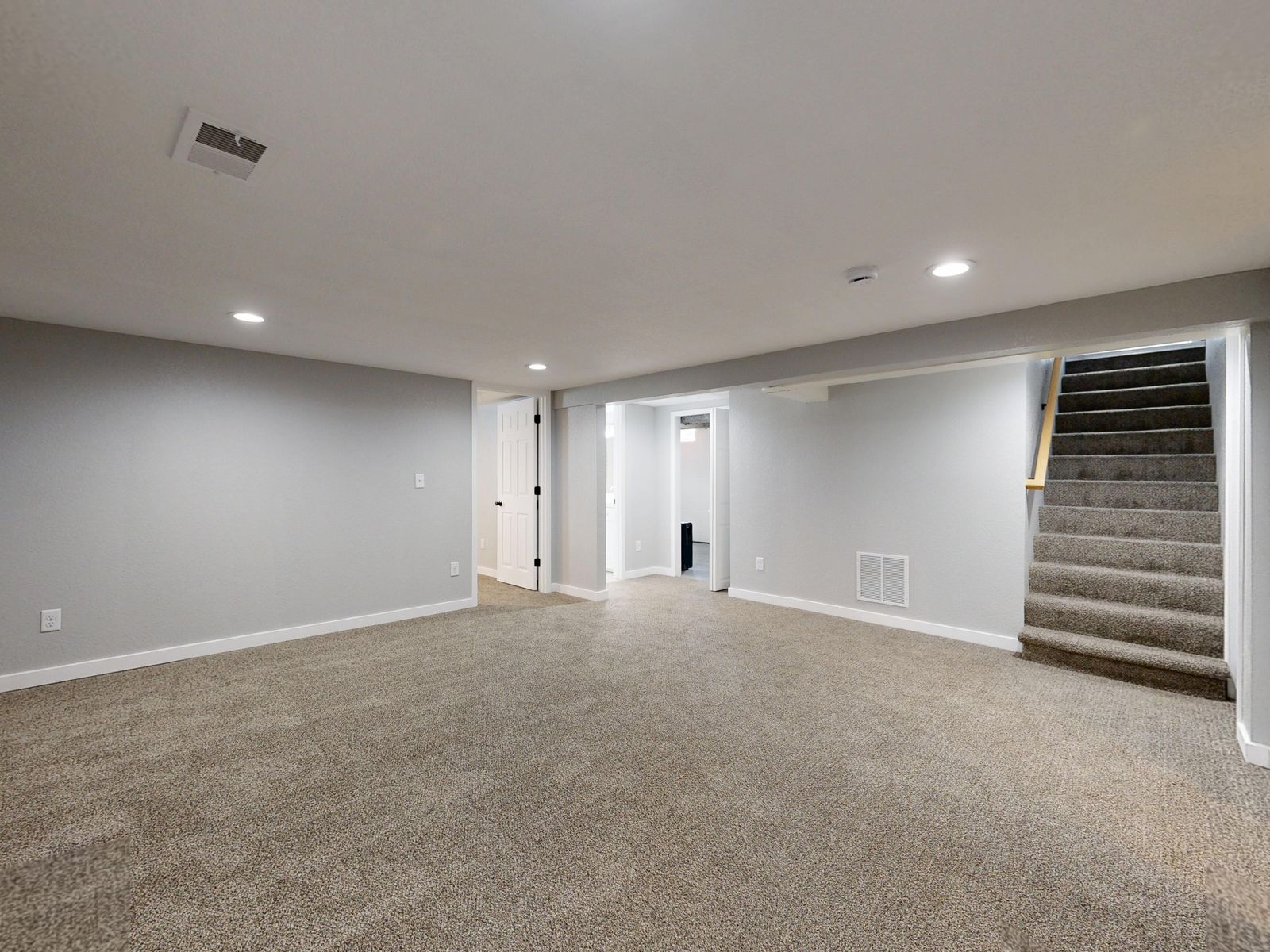
For families in Cloverdale and Langley thinking about a multigenerational setup, the property itself usually decides how smooth this transition feels. A basement suite, a flex room with its own entrance, or even just a second living area can be the difference between blending well and feeling like you are constantly in each other's way. If you are trying to figure out whether a home can actually support two households, it is worth reading through how to know if a multigenerational home is actually the right fit before you commit to a specific property.
There is an emotional layer here too that people do not always expect. Combining households often means someone is leaving a home they have lived in for years, sometimes decades, and that loss is real even when the move itself is the right decision. It helps to actually name the emotional weight of selling a family home instead of rushing past it, because pretending it does not matter usually makes the adjustment harder, not easier.
I am Bettina Reid, and this is something my team at Balance Real Estate Group talks through often with families in Cloverdale and Langley who are combining two households into one. There is no single right way to do it, only the way that actually fits the people involved. If you are somewhere in the middle of figuring that out, the Balance Method starts with a simple first step, just getting honest about where you stand before deciding anything else.






 The data relating to real estate on this website comes in part from the MLS® Reciprocity program of either the Real Estate Board of Greater Vancouver (REBGV), the Fraser Valley Real Estate Board (FVREB) or the Chilliwack and District Real Estate Board (CADREB). Real estate listings held by participating real estate firms are marked with the MLS® logo and detailed information about the listing includes the name of the listing agent. This representation is based in whole or part on data generated by either the REBGV, the FVREB or the CADREB which assumes no responsibility for its accuracy. The materials contained on this page may not be reproduced without the express written consent of either the REBGV, the FVREB or the CADREB.