
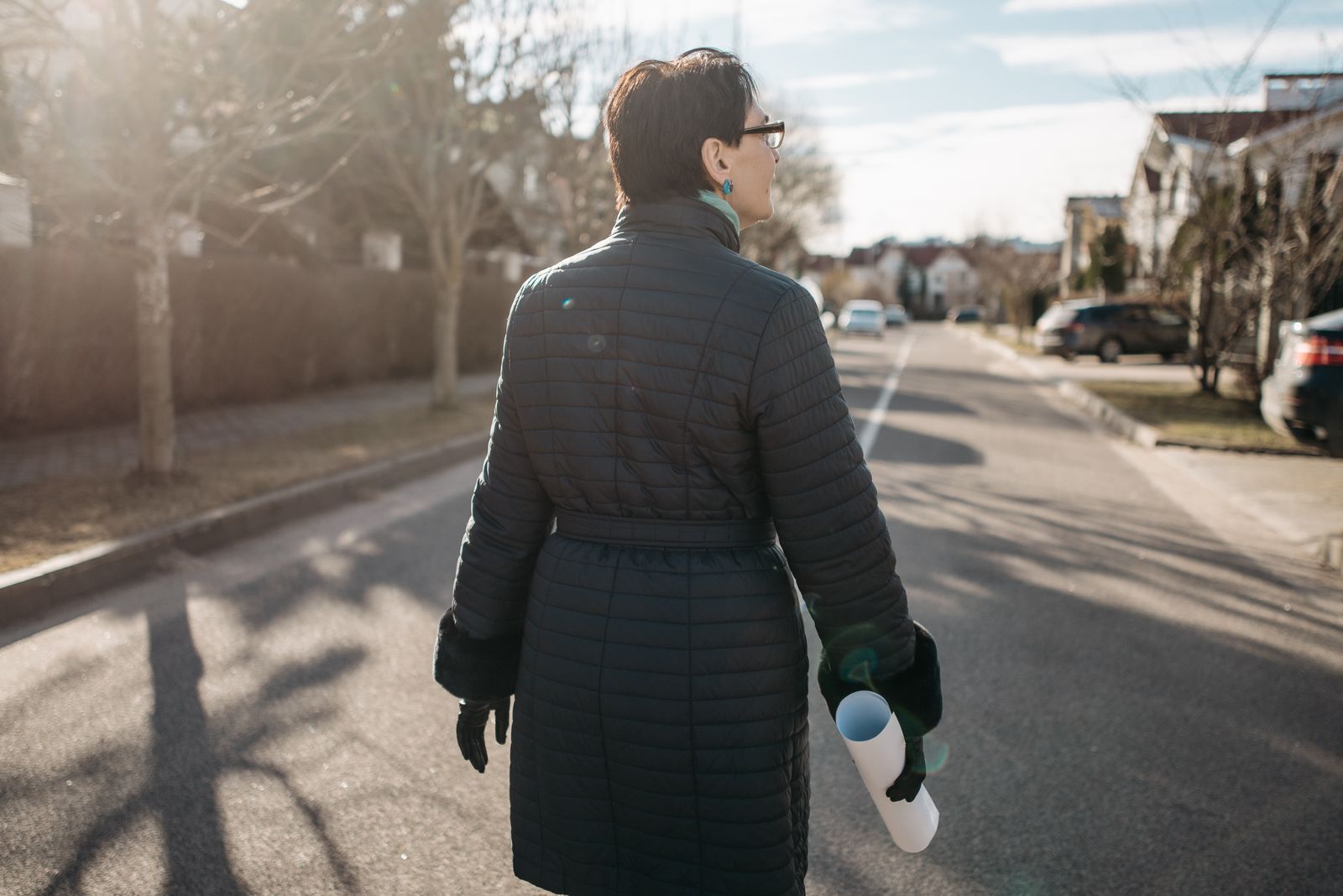
Cloverdale's walkable pockets are drawing empty nesters because a big, quiet house on its own can start to feel isolating once the kids are gone, and a short walk to a coffee shop or a neighbour's front porch suddenly matters more than an extra bedroom nobody uses. It is not that these women want less house because they are settling for something smaller. Many of them want more life, and that turns out to look different than the home they raised their kids in.
I see this pattern constantly working with women across Cloverdale. The house that made sense for years, the one with the big yard and the extra rooms and the long driveway, starts to feel like it takes more from you than it gives once the people who filled it have moved on. Why the empty nest hits differently than you expected is something I wrote about because so many women describe the same surprise: they thought they would feel relief, and instead they felt a strange kind of quiet that made the house feel too big and too far from everything at the same time.
What tends to draw women toward Cloverdale's more walkable neighbourhoods is not really about downsizing the square footage. It is about right-sizing the whole picture, including how much time you spend driving to see people versus how much time you spend actually seeing them. A short walk to get a coffee with a friend, a front porch close enough to the sidewalk that neighbours actually stop and talk, a park within reach without needing the car, these things add up to a different kind of daily life. If you are still working out what that really means for you, what right-sizing actually means is worth a read, because it is rarely just about a smaller number of square feet.
There is also something to be said for staying close to the community you already know. Cloverdale has grown a lot over the years, but its older, walkable pockets still have that neighbourhood feel where people recognize each other and check in without being asked. For women moving through this stage of life, that kind of low-key connection matters more than square footage or a formal dining room that only gets used twice a year. You are not behind if this is only occurring to you now. As I have said before, you're not behind, you're just in a different season, and Cloverdale has plenty of homes built for exactly this one.
There is a practical side to this too. When most of what you need is a short walk away, your daily errands stop eating up your whole afternoon, and the small trips that used to mean getting in the car become part of a walk you were probably going to take anyway. Grandkids and adult children still visit just fine in a smaller home close to the center of things, sometimes more often, because there is less to maintain and more reason to be out and about together when they come. A smaller footprint does not have to mean a smaller life. For a lot of women, it ends up meaning the opposite, because the energy that used to go into upkeep and driving gets freed up for the things that actually matter.
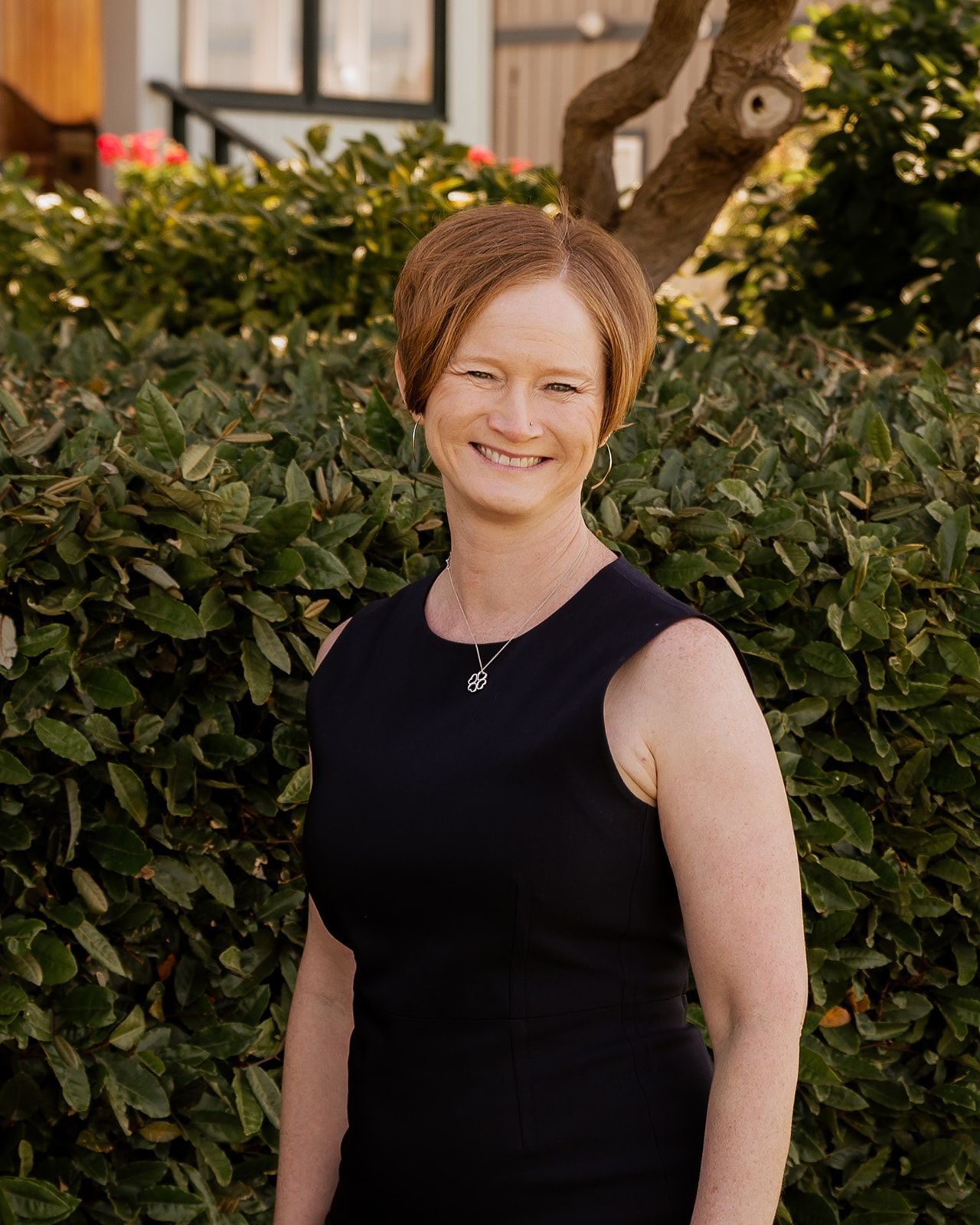
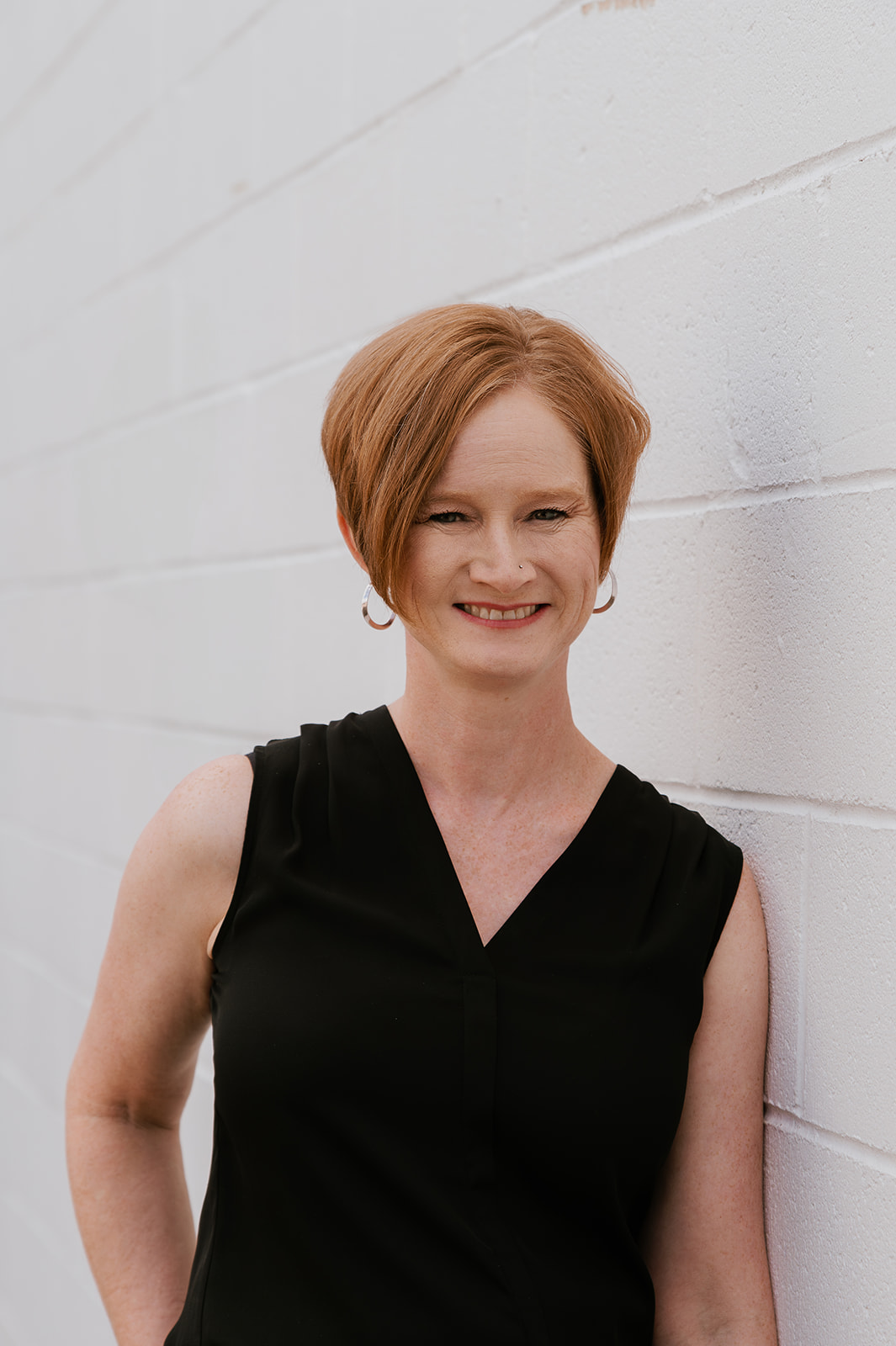
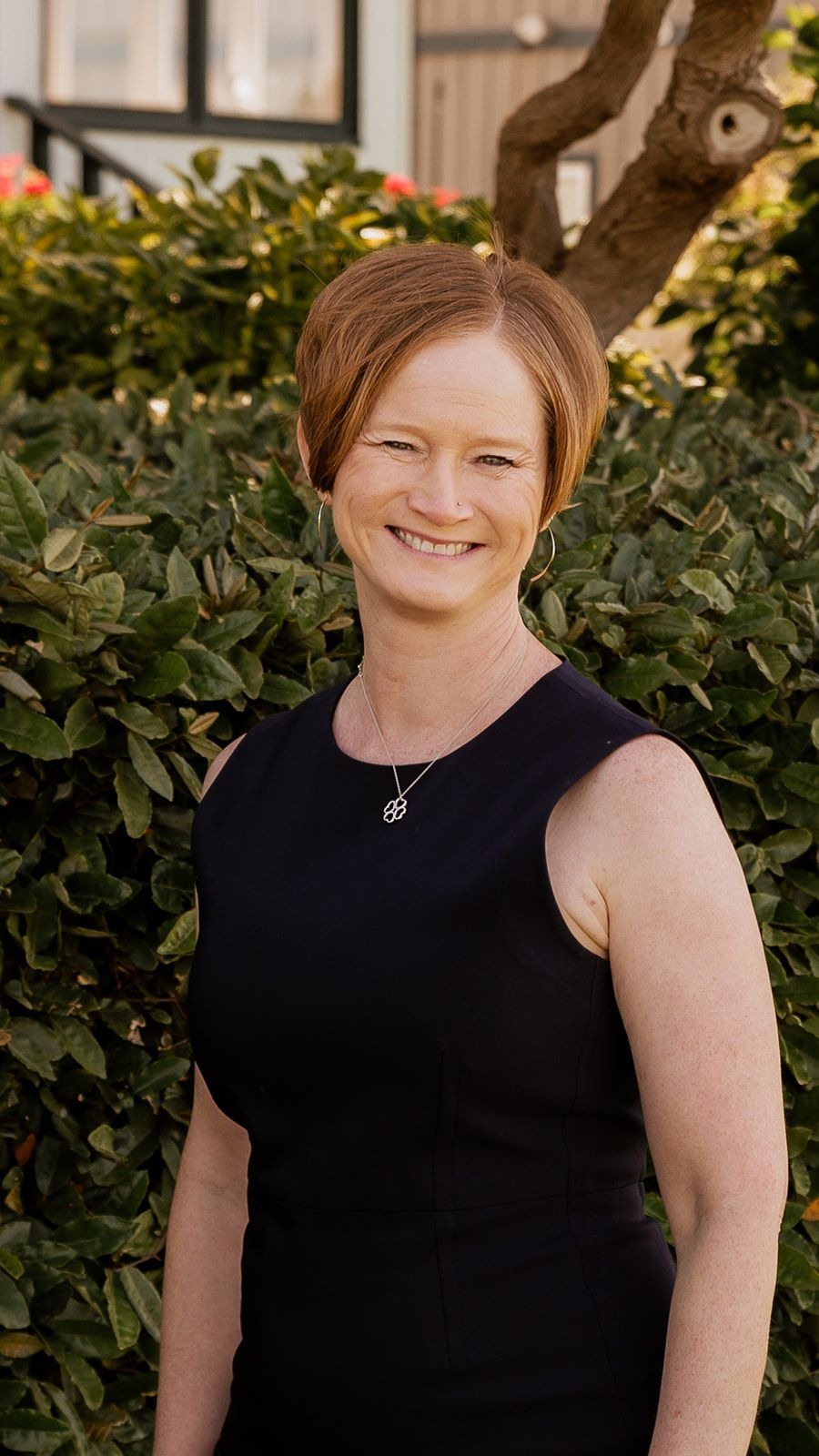
I am Bettina Reid with Balance Real Estate Group, and Cloverdale is where my team spends most of our time, which means we know these walkable pockets block by block, not just from a listing sheet. We know which streets are a genuine walk to the shops and which ones only look that way on a map. If a smaller home closer to the center of things has been on your mind, even quietly, the Balance Method Guide is a calm place to start figuring out what that could actually look like for you. There is no deadline attached to any of this, and no rule that says you have to know exactly what you want before you start asking the question. Plenty of women spend months just noticing what they like about certain streets or certain homes before they ever put their own house on the market, and that noticing is a real part of the process, not a delay of it.






 The data relating to real estate on this website comes in part from the MLS® Reciprocity program of either the Real Estate Board of Greater Vancouver (REBGV), the Fraser Valley Real Estate Board (FVREB) or the Chilliwack and District Real Estate Board (CADREB). Real estate listings held by participating real estate firms are marked with the MLS® logo and detailed information about the listing includes the name of the listing agent. This representation is based in whole or part on data generated by either the REBGV, the FVREB or the CADREB which assumes no responsibility for its accuracy. The materials contained on this page may not be reproduced without the express written consent of either the REBGV, the FVREB or the CADREB.