RSS

What Makes Langley’s Newer Communities Appealing for Women Starting Over on Their Own

Newer neighbourhoods in Langley work well for women starting over on their own because they were built with easier living in mind from the start: single level plans, smaller lots, and walkable layouts that do not require a second person around to keep up with them. If you are looking at a fresh chapter on your own, whether that came from a divorce, a loss, or simply choosing a different path forward, Langley has communities that were designed with exactly this kind of life in mind, whether or not the builders knew it at the time.

A lot of Langley's newer builds skip the sprawling yard and the extra staircases that made sense for a bigger household years ago. Instead you get homes that are easier to manage on your own, closer to shops, coffee, and the kind of daily errands that used to require hopping in the car. That matters more than people expect when you are figuring out life on your own terms for the first time in a long while, and every small errand feels like one more thing to plan around.

Starting over does not always come from a hard place, even though it often does. Sometimes it is simply a season where you realize the home that worked for your old life does not fit the one you are building now. Right-sizing in Langley often means trading square footage you were not really using for a location that puts you closer to the people and things you actually want nearby, day to day, without a big commute or a lot of upkeep standing in the way.

Less house does not mean less life. Often it means more of it, because the energy that used to go into maintaining rooms nobody used can go toward the things that actually make this new chapter feel like yours. One thing that surprises a lot of women is how much lighter the whole process feels once they stop trying to replace what they had and start asking what they actually want now. That is a very different question than the one most people start with, and it usually leads somewhere better.

Understanding what right-sizing actually means helps here, because it is rarely about downsizing for its own sake. It is about matching your home to the life you are living today, not the one you used to have, and not the one someone else expects you to still be living either. That distinction matters more than most people realize until they actually sit with it.

Langley also has a strong sense of community for women rebuilding on their own. Walkable streets mean you run into neighbours instead of driving past them without a second glance. Smaller, newer developments tend to attract people in similar seasons of life, which makes it easier to feel less alone in a transition that can otherwise feel isolating, even when it is a change you chose for yourself.

You're not behind, you're just in a different season, and Langley has room for that season to look completely different from the one before it. The financial side matters too. A newer, smaller home in Langley often comes with lower maintenance costs and fewer surprises than an older, larger property, which gives you more breathing room while you settle into this new chapter, both financially and emotionally.

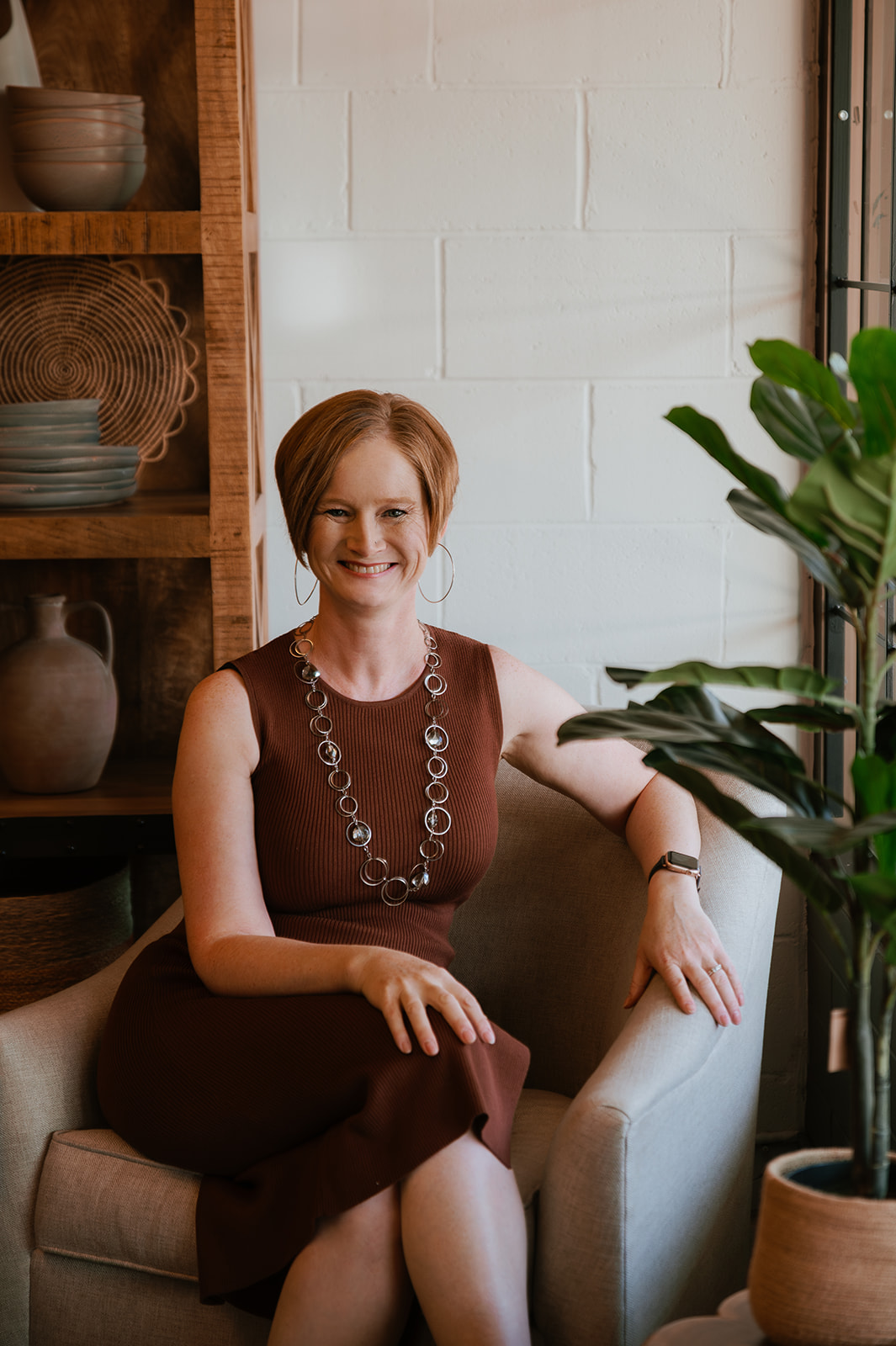
Bettina Reid and the team at Balance Real Estate Group work with women across Langley, Cloverdale, South Surrey, and White Rock who are rebuilding their lives on their own terms, and starting with the Balance Method means the very first step is simply knowing where you stand today, not rushing toward a decision before you feel ready for it.

If you are picturing a fresh start in Langley and want to talk through what that could actually look like, reach out. There is no pressure to have it all figured out before that first conversation.

Read

What “Enough Space” Looks Like Once the Kids Are Grown

Once the kids are grown, enough space usually means something different than it did the year you bought your Langley home. Back then, enough space meant separate bedrooms, a big yard for kids to play in, and room to spread out as a family. Now it might mean the opposite, which is fewer rooms to keep up with and more room in your own life for things that are not about managing a household.

Plenty of women feel a strange guilt admitting a big house feels like too much once the kids are gone. There is nothing wrong with the home. Nothing is broken. It just was not designed for the life you are actually living now, spread across empty bedrooms that mostly collect boxes and half-finished projects instead of people.

There is also a version of this that shows up as quiet resentment instead of guilt. You spend a Saturday cleaning rooms nobody sleeps in, or paying to heat square footage nobody uses, and it starts to feel less like a family home and more like a part-time job with no real purpose behind it. That feeling is worth listening to. It is not ungrateful to want a home that matches your actual life instead of the one you used to have.

This shift often lines up with everything else that changes when the house empties out. I have written before about how the empty nest changes your sense of home, and for a lot of women, the physical space is only part of what starts to feel off. The daily rhythm of the house changes too, and a home built around a busy family routine can suddenly feel oversized and a little too quiet at the same time.

In Langley specifically, I see this a lot in the bigger family homes that were perfect fifteen or twenty years ago. Multiple staircases, a primary bedroom far from the rest of the house, a yard sized for kids and a trampoline. All of it made sense once. None of it has to keep making sense now just because it used to.

Some women solve this by staying in Langley but changing what kind of home they live in, moving from a big two-storey with a large yard into something single-level or low-maintenance a few streets over. Others use the moment to consider a different pocket of Langley altogether, one that is quieter or closer to the parts of daily life that matter most now, like walking paths, a favourite coffee shop, or friends who are going through the same transition.

The good news is that Langley also has a strong range of homes built for exactly this next stage, from single-level layouts to smaller lots with less yard to manage. I wrote more about what Langley offers women who need more room to breathe, and it is not always about buying something smaller. Sometimes it is about buying something that finally matches the pace you are living at now.

So what does enough space actually look like at this stage? For most women it is simpler than they expect. A guest room for when the kids visit, one quiet room that is truly theirs, and a yard that asks for an hour of work instead of a whole weekend. I explored this idea years ago in a post about what enough space really means, and the honest answer has not changed much. Enough space is whatever supports the life you are actually living, not the life you used to live.

I am Bettina Reid with Balance Real Estate Group, and I help women across Langley and the surrounding area figure out what their next home should actually look like once the family stage of life has passed. If your Langley home has started to feel like more space than your life needs, the first step is simply knowing where you stand, with no pressure to decide anything before you are ready.

Read

What a Right-Sized Home in Langley Actually Looks Like

A right-sized home in Langley usually has fewer rooms you do not use. A layout that matches how you actually move through your day. And just enough space to feel comfortable, without feeling like a chore to maintain. It is not automatically smaller than what you have now. Sometimes right-sized means different, not less.

People hear right-sizing and assume it means downsizing into something tiny and plain. That is not what I see working for the women I help in Langley. Right-sizing is really about matching your home to your actual life. Not the life you were planning for fifteen years ago. That can mean a smaller yard and a bigger kitchen. It can mean one less bedroom and a proper main floor office. It can even mean more space in the right places, if what you have now has never truly worked.

The Langley homes that tend to fit this stage of life well share a few things. Single-level living, or at least a primary bedroom on the main floor, so stairs stop being part of the daily routine. A kitchen and living area that flow into each other, since most of life happens there now. Storage that is actually usable, not just a garage full of things nobody has touched in five years. And a walkable neighbourhood, because leaving the car in the driveway matters more than people expect once they try it.

I wrote before about why more space is not always the answer. The same idea applies here from the other direction. Less space is not automatically the answer either. What actually matters is fit. I go through that idea in downsize, upsize, or stay put. The right move depends entirely on your specific life, not a general rule about square footage.

This is also why the neighbourhood itself carries so much weight in a decision like this. A right-sized home in the wrong neighbourhood still will not feel right. I talked about that in why the neighbourhood matters more than the floor plan. Proximity to the people and places you actually use every week changes how a home feels far more than an extra closet ever will.

Langley has become a strong fit for a lot of women going through this exact shift. I have written about why in right-sizing in Langley. The mix of newer builds, walkable pockets, and quieter streets tends to check more boxes than people expect going in.

A right-sized home also tends to cost less to run, not just to buy. Lower utility bills. Less upkeep. Fewer weekends spent on maintenance instead of the things you actually want to be doing. That part rarely gets mentioned, but it adds up fast once you are living it instead of just imagining it.

It helps to walk through a potential new home at different times of day if you can. Morning light feels different from evening light. A quiet street on a weekday afternoon might feel very different on a Saturday. Right-sized is not just about square footage. It is about how a place actually feels once you are living inside it.

I worked with one Langley couple who assumed right-sizing meant a condo downtown. What actually fit them was a smaller detached home two streets over from where they already lived, close enough to keep their routines, small enough to stop feeling like a burden. Right-sized rarely looks the way people picture it before they start looking. It is worth staying open to options you had not considered, because the best fit is not always the obvious one. Keep your list of must-haves short, and let the rest stay flexible until you see what is actually out there.

I am Bettina Reid. This is the kind of thing Balance Real Estate Group spends most of our time on, helping women figure out what right-sized actually means for them specifically, before we ever start looking at listings. If you want a way to work through that on your own first, the Balance Method starts with the exact same question, knowing where you stand right now.

Read

What Does “Know Where You Stand” Actually Mean in the Balance Method?

Knowing where you stand simply means getting an unhurried, truthful look at your actual situation before you decide anything about moving, staying, or selling. No pressure, no listing appointment, no clock running. It is the first stage of the Balance Method, and it exists because most people jump straight to a decision before they have looked closely at what they are actually working with.

I built the Balance Method around this stage because I kept meeting women in Cloverdale, Langley, and South Surrey who were stuck, not because they lacked options, but because they had never stopped to look at their own situation with an open mind. They knew the house felt wrong somehow. They did not know if that was a space problem, a money problem, or a life problem. Without that clear picture, every decision feels harder than it needs to be, and a lot of people end up staying stuck simply because they never gave themselves permission to look first.

Knowing where you stand means a few concrete things, not vague reflection. It means understanding what your home is realistically worth today, not what you assumed years ago. It means knowing your numbers well enough to see what selling would actually make possible for your next chapter. I wrote about how home equity becomes freedom in midlife, and that clear picture alone changes how a lot of women think about their options once they finally see the real numbers instead of guessing. It is one thing to sense that selling could help. It is a different thing entirely to sit down with real figures and see exactly what that would mean for your next home, your monthly costs, and the years ahead.

It also means being honest about what is actually bothering you about your current home, instead of assuming you already know. Sometimes what feels like a housing problem is really a layout problem, and sometimes it runs deeper than that. This is exactly what the first step isn't selling, it's understanding your position is about, and it is the difference between reacting to a feeling and actually understanding it.

Once you know where you stand, staying and moving stop feeling like a coin flip and start feeling like an actual choice you can make with confidence. That is a huge shift for most people. I wrote about how to decide between staying and moving, and every version of that decision gets easier once the guesswork is gone. The same applies to the bigger question a lot of women in this stage are wrestling with, which is whether to downsize, upsize, or stay put. That question is nearly impossible to answer well without first knowing where you actually stand.

What surprises a lot of women is how much confidence this first stage creates, even before anything else happens. You do not need to list your home or make a final decision to feel the relief of finally understanding your own situation. In fact, that confidence itself is often the real turning point. I wrote about why understanding your position creates confidence, and it is one of the most consistent things I hear from women after they go through this stage.

This first stage also tends to slow people down in a good way. Instead of reacting to a bad week or a stray comment from a friend about the market, you are working from real information about your own home and your own life. That steadiness matters, especially in a season when so much else already feels unpredictable. It is the difference between making a decision because you are anxious and making one because you have actually thought it through.

None of this requires you to be ready to sell. It just requires a willingness to look at where things stand right now, in your home, your finances, and your life, with an open mind instead of a rushed one. You can read the full breakdown of how this works through the Balance Method whenever you feel ready.

At Balance Real Estate Group, Bettina Reid built this first stage specifically for women in Cloverdale, Langley, and South Surrey who felt stuck between staying and going. If that describes where you are right now, the answer is not a bigger decision. It is a smaller, more honest first step.

Read

Why Langley Is Becoming the Go-To for Women Who Need More Room to Breathe

Most women I talk to about moving to Langley don't start the conversation by saying they want Langley. They start by saying they need more room to breathe. A backyard that actually gets used. A neighbourhood that moves at a pace that feels human. Somewhere quieter, or greener, or just... different. And then, almost always, Langley comes up.

I've been serving buyers and sellers in Langley, BC for nearly 20 years, and what I'm seeing now has shifted. Women in their 40s and 50s, women who built their lives somewhere else, are looking this way. Not because Langley is the cheapest option, because it isn't, but because it fits a season of life that a lot of other markets simply can't offer.

What Langley offers is hard to put in a listing description. It's the kind of community where you can still find a backyard big enough for a vegetable garden, a dog run, and a table with six chairs. The housing stock includes newer builds with layouts that actually make sense... open concepts that don't feel like echo chambers, main-floor primary bedrooms for the women who've decided they're done with stairs, and secondary suites for the aging parent or the boomerang kid. The homes here grew up alongside the families who needed them.

For women in perimenopause or menopause, the conversation about space often isn't about square footage. It's about how a home feels to live in. Too much stimulus in the wrong layout can turn a perfectly nice house into a place that wears you out before noon. Langley tends to offer homes with real separation between rooms, between noise, between the parts of your life that need to exist in different zones. That isn't a small thing when your nervous system is already working overtime.

If you've been asking yourself what right-sizing actually looks like, Langley has more to offer than most people realize until they're standing in the right neighbourhood at the right time of morning. I also wrote about what makes Langley a particularly good fit for women navigating midlife moves if you want to go deeper before you rule it in or out.

If Langley is on your radar, or you've been wondering whether it should be, the Balance Method Guide is a good place to start. It walks you through the questions worth asking before any move, wherever you end up.

Read
Categories:   Abbotsford East, Abbotsford Real Estate | Abbotsford West, Abbotsford Real Estate | Aberdeen, Abbotsford Real Estate | Adult children moving home | Albion, Maple Ridge Real Estate | Aldergrove Langley, Langley Real Estate | Annieville, N. Delta Real Estate | Balance Method | Balance Real Estate Group | Bear Creek Green Timbers, Surrey Real Estate | Bolivar Heights, North Surrey Real Estate | Brain Fog | Brentwood Park, Burnaby North Real Estate | Brookswood Langley, Langley Real Estate | Burke Mountain, Coquitlam Real Estate | Central Abbotsford, Abbotsford Real Estate | Chilliwack Downtown, Chilliwack Real Estate | Chilliwack W Young-Well, Chilliwack Real Estate | Clayton, Cloverdale Real Estate | Cloverdale BC, Cloverdale Real Estate | Cloverdale BC, Surrey Real Estate | Cloverdale Real Estate | Cloverdale, Surrey Real Estate | Coquitlam West, Coquitlam Real Estate | Cottonwood MR, Maple Ridge Real Estate | Crescent Bch Ocean Pk., South Surrey White Rock Real Estate | Decision Clarity | Downtown VW, Vancouver West Real Estate | Eagle Ridge CQ, Coquitlam Real Estate | East Central, Maple Ridge Real Estate | East Newton, Surrey Real Estate | Emotional Load | Emotional Transitions | Empty Nest | Fleetwood Tynehead, Surrey Real Estate | Fort Langley, Langley Real Estate | Garrison Crossing, Sardis Real Estate | GlenBrooke North, New Westminster Real Estate | Grandview Surrey, South Surrey White Rock Real Estate | Greendale, Sardis Real Estate | Growing Families | Guildford, North Surrey Real Estate | Hatzic, Mission Real Estate | Hawthorne, Ladner Real Estate | Hemlock, Mission Real Estate | Home Buying Advice | Home Buying Women 50s | Home Equity Real Estate | Home Planning | Home Preparation | Home Pricing | Home Selling Advice | home selling process | Home Selling Strategy | Housing Decisions Women | King George Corridor, South Surrey White Rock Real Estate | Langley City, Langley Real Estate | Langley Real Estate | Life Transitions | Mary Hill, Port Coquitlam Real Estate | Menopause + Home | midlife home buying | Midlife home decisions | Midlife housing decisions | midlife moves | Midlife Real Estate | Mission BC, Mission Real Estate | Morgan Creek, South Surrey White Rock Real Estate | Moving descisions couples | Multigenerational Homes Langley | Multigenerational Living | Murrayville, Langley Real Estate | Neighbourhood fit midlife | Nordel, N. Delta Real Estate | North Coquitlam, Coquitlam Real Estate | North Meadows PI, Pitt Meadows Real Estate | Otter District, Langley Real Estate | Pebble Hill, Tsawwassen Real Estate | Perimenopause | Perimenopause Housing Decisions | Planning a Move | Poplar, Abbotsford Real Estate | Port Moody Centre, Port Moody Real Estate | Pre-Sale Home Prep South Surrey | Promontory, Sardis Real Estate | Quay, New Westminster Real Estate | Queen Mary Park Surrey, Surrey Real Estate | Queensbury, North Vancouver Real Estate | Real Estate Cloverdale | Real Estate Langley | Renfrew VE, Vancouver East Real Estate | Right-Sizing | Right-Sizing Cloverdale | Right-Sizing Langley | Salmon River, Langley Real Estate | Sardis South, Sardis Real Estate | Sardis West Vedder Rd, Sardis Real Estate | Seller Tips | Selling a Home Cloverdale | Selling a home Langley | Selling Your Home | South Surrey Real Estate | South Surrey White Rock | South Surrey White Rock Real Estate | Southwest Maple Ridge, Maple Ridge Real Estate | Space Decisions | Starting over | Steveston South, Richmond Real Estate | Sullivan Heights, Burnaby North Real Estate | Sullivan Station, Surrey Real Estate | Sunnyside Park Surrey, South Surrey White Rock Real Estate | Sunshine Hills Woods, N. Delta Real Estate | The Crest, Burnaby East Real Estate | Upper Eagle Ridge, Coquitlam Real Estate | Vedder Crossing, Sardis Real Estate | Walnut Grove, Langley Real Estate | West Newton, Surrey Real Estate | Whalley, North Surrey Real Estate | White Rock homes | White Rock Real Estate | White Rock, South Surrey White Rock Real Estate | Willoughby Heights, Langley Real Estate | Women 40s & 50s | Women 50s | Women and housing | Women in Midlife
Reciprocity Logo The data relating to real estate on this website comes in part from the MLS® Reciprocity program of either the Greater Vancouver REALTORS® (GVR), the Fraser Valley Real Estate Board (FVREB) or the Chilliwack and District Real Estate Board (CADREB). Real estate listings held by participating real estate firms are marked with the MLS® logo and detailed information about the listing includes the name of the listing agent. This representation is based in whole or part on data generated by either the GVR, the FVREB or the CADREB which assumes no responsibility for its accuracy. The materials contained on this page may not be reproduced without the express written consent of either the GVR, the FVREB or the CADREB.