
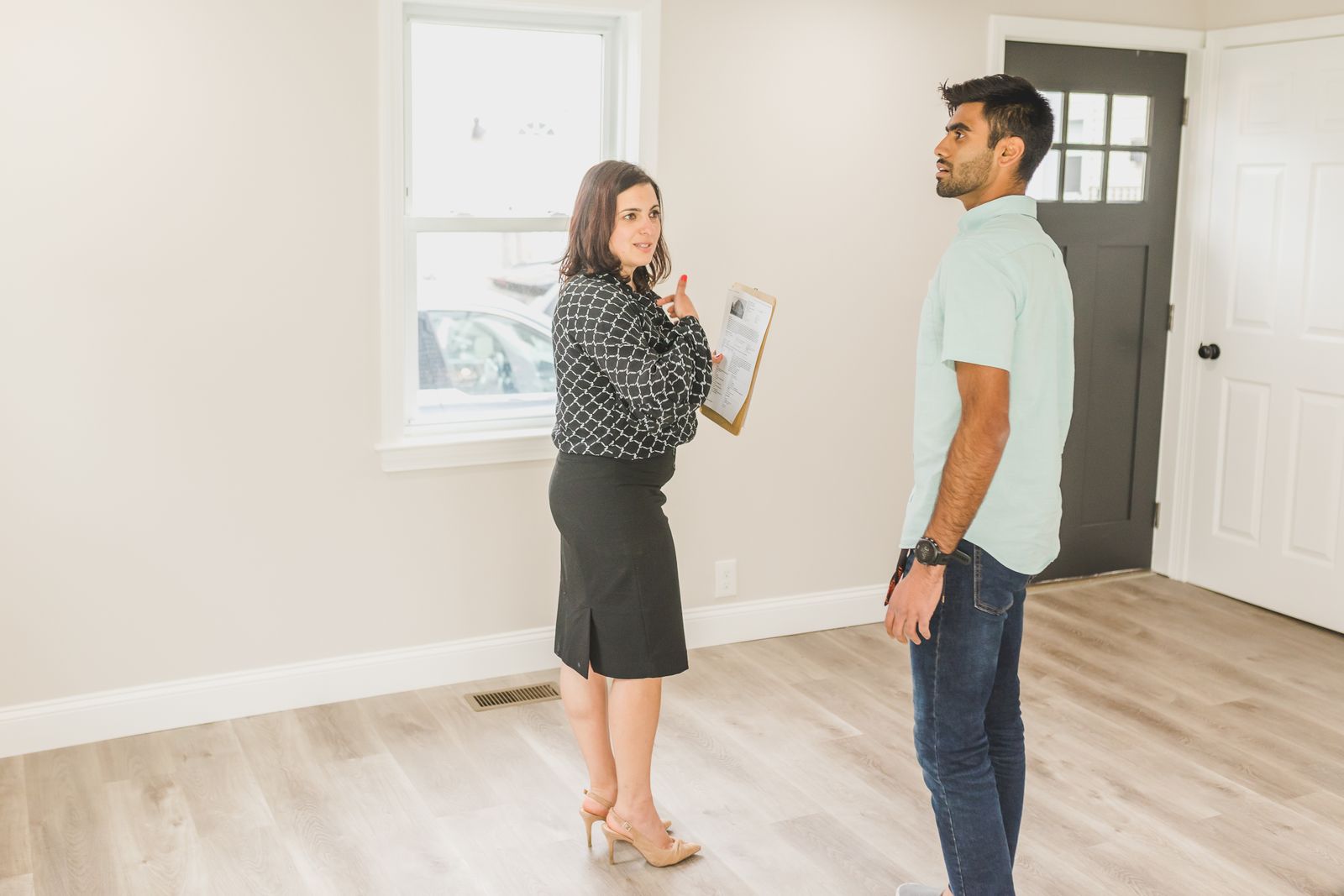
A final walkthrough is your last real chance to confirm a home is in the condition you agreed to before the sale actually closes, and it usually takes far less time than people expect. Most walkthroughs in Cloverdale and Langley take twenty to thirty minutes. You are not inspecting the home from scratch. You are checking that nothing has changed since your offer was accepted and that anything the seller agreed to fix has actually been handled.
For a lot of buyers, this is the moment the whole process finally feels real. You have been through offers, financing, maybe an inspection, and a string of paperwork that can start to blur together. Walking through the empty rooms one more time, usually a day or two before closing, is often when it actually sinks in that the home is about to be yours.
What you are really looking for is simple. Are the appliances that were included in the sale still there. Do the lights, taps, and any systems that were tested during inspection still work the way they did before. Has anything been damaged during the move-out process. If repairs were part of the deal, has the work actually been done, not just promised. None of this requires special training. It just requires paying attention with fresh eyes.
Sellers in Cloverdale and Langley sometimes worry the walkthrough will turn into a renegotiation, and buyers sometimes worry they will miss something important because they are excited and distracted. Both concerns are usually smaller than they feel. A good walkthrough is calm and specific. You are not looking for a reason to back out. You are confirming that the home you fell in love with is the home you are actually about to receive the keys to.
If something is wrong, it does not automatically mean the deal falls apart. Most issues found at this stage get resolved through a small credit, a quick repair, or a short delay to fix something before possession. What matters is catching it now, while there is still room to sort it out, instead of discovering it after the keys have already changed hands. This is one reason understanding your position before you get to this stage makes such a difference, because you already know what you agreed to and what you are entitled to expect.
I am Bettina Reid, and my team at Balance Real Estate Group walks buyers and sellers through this exact moment regularly, in both Cloverdale and Langley. Repairs that were promised during negotiation are one of the most common things worth double checking, which is part of why it helps to know what to fix before you sell and what to leave alone long before you ever reach this final step.
A final walkthrough is not something to dread. It is a short, practical check that protects you right before one of the biggest transactions of your life becomes final. Going in with a simple list and a clear head is usually all it takes. The Balance Method Guide covers the steps that come before this one too, if you want the fuller picture of what to expect from start to finish.










 The data relating to real estate on this website comes in part from the MLS® Reciprocity program of either the Real Estate Board of Greater Vancouver (REBGV), the Fraser Valley Real Estate Board (FVREB) or the Chilliwack and District Real Estate Board (CADREB). Real estate listings held by participating real estate firms are marked with the MLS® logo and detailed information about the listing includes the name of the listing agent. This representation is based in whole or part on data generated by either the REBGV, the FVREB or the CADREB which assumes no responsibility for its accuracy. The materials contained on this page may not be reproduced without the express written consent of either the REBGV, the FVREB or the CADREB.