
RSS

What It Feels Like When You’re Ready to Move But Nothing Else in Your Life Has Caught Up Yet

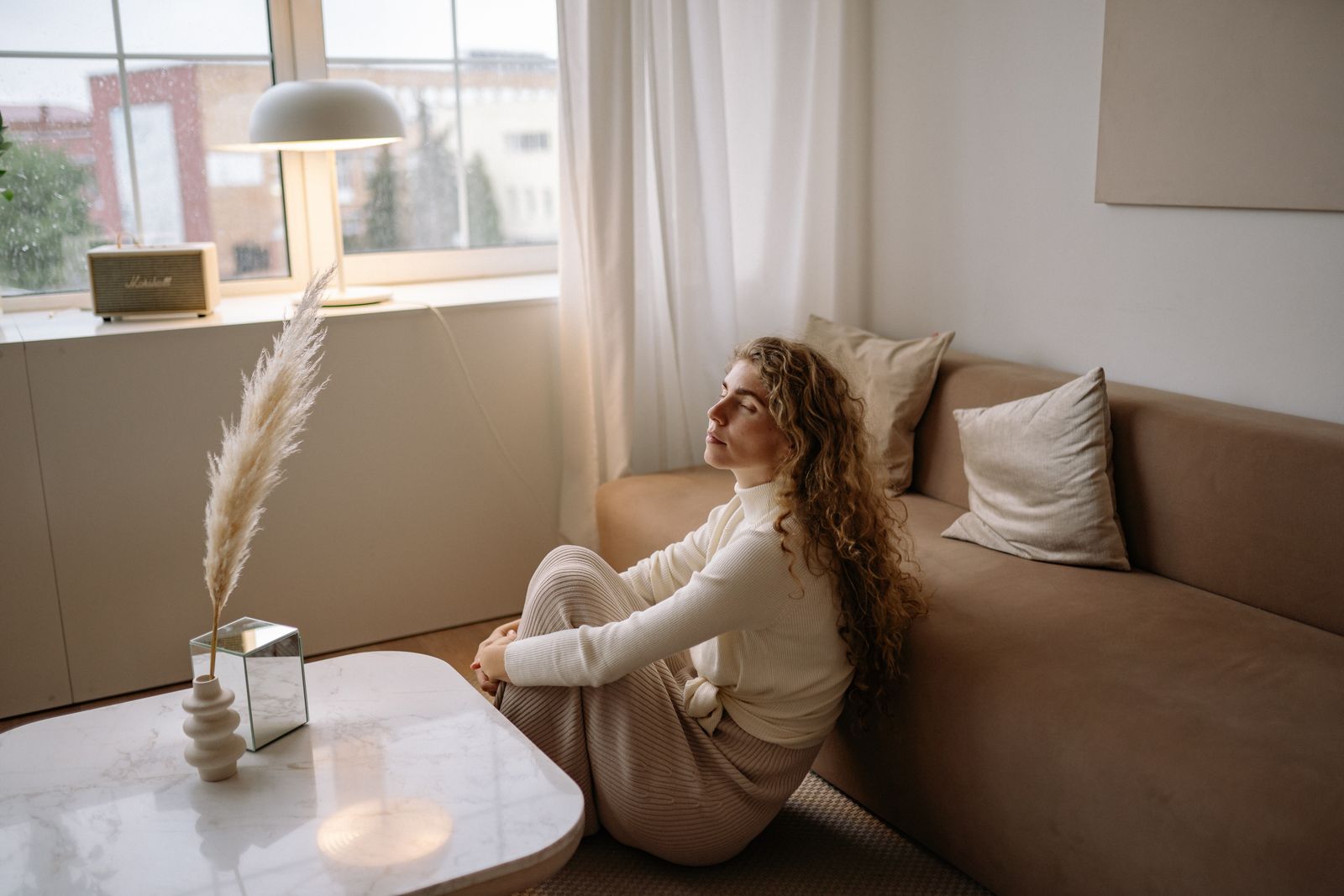
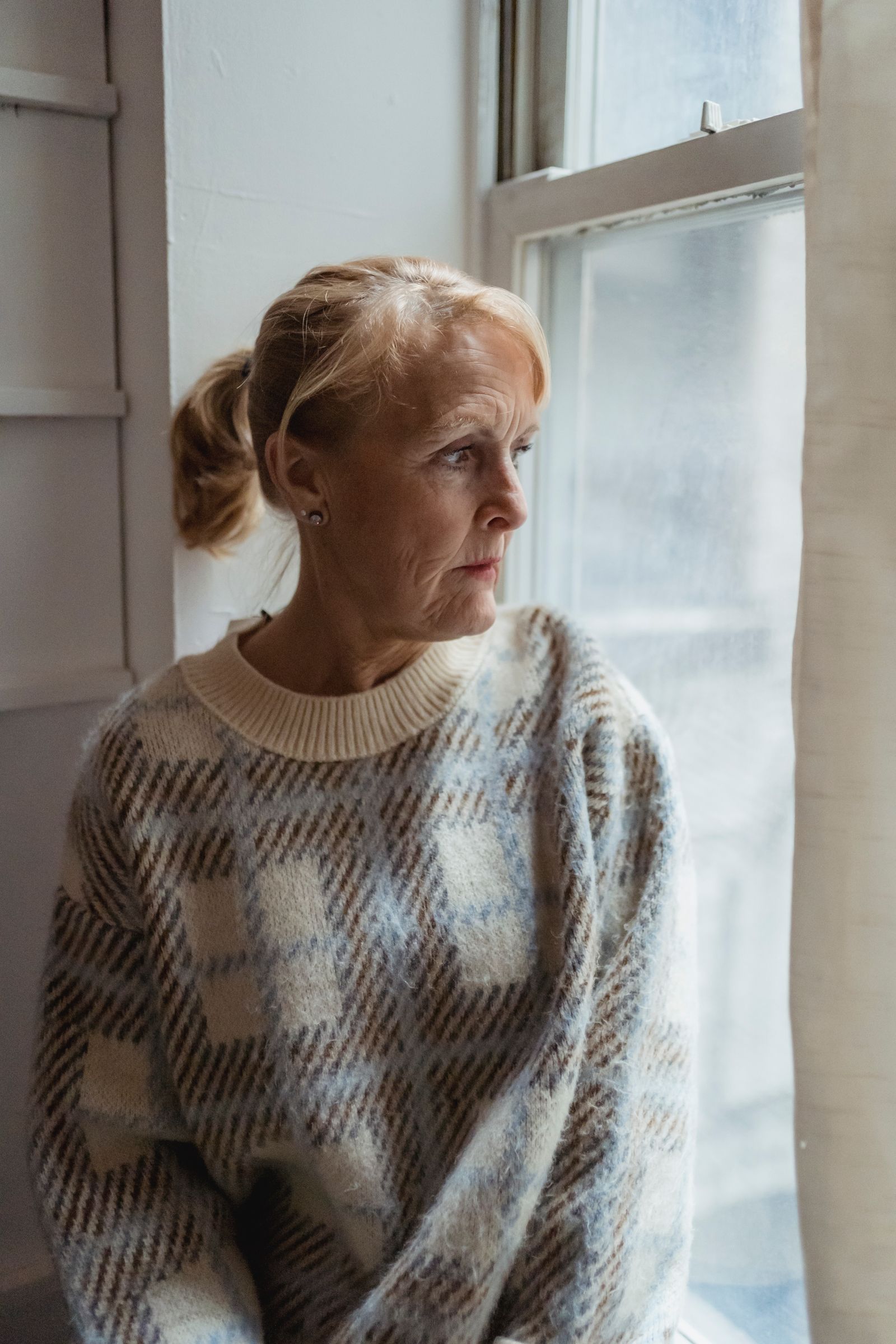
It feels like being early to your own decision, sure the move is right while the rest of your life, your finances, your family's timeline, or your own readiness to let go, has not quite caught up to that certainty yet. That gap between knowing and being ready can feel confusing, because you assume once you know something is right, everything else should fall into place fairly quickly behind it. It rarely works that way, and almost nobody warns you about that part.

A lot of women in Cloverdale describe this exact feeling. They walk through their home one ordinary afternoon and something shifts, quietly but unmistakably. Suddenly they know, without needing more time to think it over, that they are ready for something different. But then the practical pieces do not line up right away. Maybe the market feels uncertain. Maybe a partner is not there yet. Maybe finances need another year to be ready. The certainty arrives before the circumstances do, and that gap is where a lot of the stress in this stage actually lives.

How to decide between staying and moving is usually framed as one clean decision, but in real life it is often two separate timelines running side by side. Your emotional readiness moves at its own pace, and your practical readiness moves at a different one entirely. It is normal for those two timelines to not match up perfectly, and it does not mean you were wrong to feel ready in the first place, even if nothing has actually changed yet on paper.

How do you know if it's time to start thinking about moving is a question a lot of people ask expecting a single clear answer, something they can check off a list. Most of the time, the truth is that you already know, deep down, and the harder part is figuring out how to be patient with everything that still needs to catch up around that knowing.

This in between stretch can feel lonely because it does not look like progress from the outside looking in. You are not touring homes yet. You are not listing your house yet. You are just sitting with a decision that feels settled inside you while life outside has not caught up to it. That waiting is not wasted time, even though it can feel that way some days. It is often when the most useful planning happens quietly in the background, even if it does not look like much is happening at all.

You're not behind, you're just in a different season, and that is worth remembering here more than almost anywhere else. Being ready before the timing lines up is not a failure of planning or a sign you moved too fast emotionally. It is simply how most real decisions actually unfold, in stages, rather than all at once the moment you first feel sure.

At Balance Real Estate Group, Bettina Reid works with women across Cloverdale, Langley, South Surrey, and White Rock who are in exactly this stretch, certain about the decision but still waiting on the practical pieces to come together. Knowing where you stand today, even before you are ready to act on it, is the first stage of the Balance Method, and it is often the piece that makes the waiting feel purposeful instead of stuck in place.

If you already know a move is coming but the timing is not quite there yet, that is a completely normal place to be. Reach out whenever you want to start mapping out what needs to happen between now and when you are ready to go.

Read

Why Your Home Office Might Be the Room That No Longer Fits Your Life

Your home office might no longer fit your life because it was built for a job, a season, or a routine that has since changed, and rooms that do not match how you actually live start to feel like clutter even when they are technically empty. If you built that office for a career stage you have since moved past, or for kids who once needed a quiet study space and are now grown and gone, it makes sense that the room feels wrong even though nothing about it has physically changed at all.

In Cloverdale and Langley, a lot of homes built ten or fifteen years ago set aside a formal office because that is what families wanted at the time, back when that layout made sense for the household living there. Now, with more flexible work arrangements and grown children who have moved on, that same room often sits half used, filled with old files and furniture nobody really needs anymore, while the rest of the house feels tight for how life actually happens now.

This is often less about the room itself and more about what it represents. A layout problem or a life problem is a useful way to think about it. Sometimes a home just needs a different arrangement of the same square footage, and a quick reshuffle solves the whole thing. Other times the mismatch is bigger than furniture, and no amount of rearranging will make a house that was built for one life fit a completely different one now.

If you are working from home differently now, or not working from that room at all anymore, it is worth asking what you actually need that space to do for you today. Maybe it becomes a guest room for family who visits a few times a year. Maybe it becomes a quiet room that has nothing to do with productivity at all. Or maybe, once you look honestly at how the whole house is being used, you realize the home itself has outgrown its usefulness, not just the one room sitting empty down the hall.

The empty nest hits differently than you expected in exactly this way. A room that once felt purposeful can suddenly feel like a reminder of a life stage that has passed, and that feeling is worth paying attention to instead of pushing it aside because it seems too small to matter. It is not sentimental to notice that a space no longer serves you. It is useful information about where your life actually is right now.

What right-sizing actually means comes back to this kind of noticing. It is not about having less for the sake of less, and it is not about getting rid of things just to simplify. It is about making sure every room in your home is doing something for the life you are living now, instead of holding onto square footage that used to matter for reasons that no longer apply to your day to day.

Bettina Reid and the team at Balance Real Estate Group talk with women across Cloverdale, Langley, South Surrey, and White Rock who start this conversation focused on one room and end up realizing the whole home deserves a second look. Knowing where you stand starts with paying attention to the rooms that no longer feel like they belong to your life, which is exactly where the Balance Method begins, one honest observation at a time.

If there is a room in your home that feels more like leftover space than something useful, that feeling is worth exploring rather than ignoring. Reach out and we can talk through what your home could look like if every room actually fit your life today.

Read

What Makes Langley’s Newer Communities Appealing for Women Starting Over on Their Own

Newer neighbourhoods in Langley work well for women starting over on their own because they were built with easier living in mind from the start: single level plans, smaller lots, and walkable layouts that do not require a second person around to keep up with them. If you are looking at a fresh chapter on your own, whether that came from a divorce, a loss, or simply choosing a different path forward, Langley has communities that were designed with exactly this kind of life in mind, whether or not the builders knew it at the time.

A lot of Langley's newer builds skip the sprawling yard and the extra staircases that made sense for a bigger household years ago. Instead you get homes that are easier to manage on your own, closer to shops, coffee, and the kind of daily errands that used to require hopping in the car. That matters more than people expect when you are figuring out life on your own terms for the first time in a long while, and every small errand feels like one more thing to plan around.

Starting over does not always come from a hard place, even though it often does. Sometimes it is simply a season where you realize the home that worked for your old life does not fit the one you are building now. Right-sizing in Langley often means trading square footage you were not really using for a location that puts you closer to the people and things you actually want nearby, day to day, without a big commute or a lot of upkeep standing in the way.

Less house does not mean less life. Often it means more of it, because the energy that used to go into maintaining rooms nobody used can go toward the things that actually make this new chapter feel like yours. One thing that surprises a lot of women is how much lighter the whole process feels once they stop trying to replace what they had and start asking what they actually want now. That is a very different question than the one most people start with, and it usually leads somewhere better.

Understanding what right-sizing actually means helps here, because it is rarely about downsizing for its own sake. It is about matching your home to the life you are living today, not the one you used to have, and not the one someone else expects you to still be living either. That distinction matters more than most people realize until they actually sit with it.

Langley also has a strong sense of community for women rebuilding on their own. Walkable streets mean you run into neighbours instead of driving past them without a second glance. Smaller, newer developments tend to attract people in similar seasons of life, which makes it easier to feel less alone in a transition that can otherwise feel isolating, even when it is a change you chose for yourself.

You're not behind, you're just in a different season, and Langley has room for that season to look completely different from the one before it. The financial side matters too. A newer, smaller home in Langley often comes with lower maintenance costs and fewer surprises than an older, larger property, which gives you more breathing room while you settle into this new chapter, both financially and emotionally.

Bettina Reid and the team at Balance Real Estate Group work with women across Langley, Cloverdale, South Surrey, and White Rock who are rebuilding their lives on their own terms, and starting with the Balance Method means the very first step is simply knowing where you stand today, not rushing toward a decision before you feel ready for it.

If you are picturing a fresh start in Langley and want to talk through what that could actually look like, reach out. There is no pressure to have it all figured out before that first conversation.

Read

Why Perimenopause Mood Swings Can Make House Hunting Feel Impossible

Yes, and it has nothing to do with your patience. Perimenopause changes how your brain handles stress, and looking at homes is one of the more stressful things a person can do at any age. One day a house feels exciting and full of possibility. The next day the very same house feels like too much effort, or somehow not even close to right, and you cannot explain why the feeling flipped overnight.

If you are in Cloverdale and searching for a home right now, you have probably noticed that your reactions do not always match how you normally make decisions. You used to be able to walk through a house, weigh the pros and cons, and know within a day or two how you felt about it. Now a small detail, like a kitchen layout or a set of stairs, can trigger a wave of frustration that feels much bigger than the moment calls for. That is not you losing your grip on things. That is hormones affecting the part of your brain that regulates mood and emotional response, and it is a real, physical process happening during perimenopause, not a personal failing.

This is part of what makes making housing decisions during perimenopause so different from house hunting at any other point in life. Estrogen has a direct effect on serotonin, the chemical that helps keep your mood steady day to day. When estrogen swings up and down, so does your ability to stay calm under pressure, and buying or selling a home is already full of pressure on its own. Add in sleep that is not what it used to be, along with the general fatigue so many women feel during this stage, and it makes complete sense that a single house tour can leave you feeling raw instead of excited.

Some women in this stage describe feeling stuck even when they have options right in front of them. You might have three good homes to choose from and still feel paralyzed, unable to pick, worried that whichever one you choose will somehow turn out to be wrong. That is not indecision in the way people usually mean it. It is your nervous system working overtime, treating an ordinary choice like a much bigger threat than it actually is.

The good news is that you do not have to fight this feeling in order to make a good decision. You just have to work with it instead of against it. That might mean touring homes earlier in the day, while your energy is steadier and your patience has not worn thin yet. It might mean giving yourself a full day before deciding how you feel about a house instead of deciding on the spot, standing in the doorway. It can also help to bring someone with you who can notice patterns you cannot see clearly yourself, simply because your own reactions are moving around too much to trust in the moment.

A lot of what helps here is naming what is actually happening. Once you understand that perimenopause brain fog and real estate decisions are connected in a real, physical way, the mood swings feel less alarming and more like something you can plan around instead of something wrong with you. You are not broken and you are not bad at making decisions. Your body is going through a genuine transition, and it is affecting how you process a big one, which is a normal thing to happen to a completely normal person going through a normal stage of life.

At Balance Real Estate Group, this is something Bettina Reid and her team see often across Cloverdale, Langley, South Surrey, and White Rock. Women come in mid search, frustrated with themselves for feeling so unlike their usual selves, and relieved to learn there is an actual reason for it. The first step is not forcing yourself to feel calm before you can move forward. It is knowing where you stand, which is exactly what the Balance Method is built to help with, so you can move through the process at a pace that respects what your body is actually going through right now, instead of one that ignores it.

If house hunting has started to feel harder than it should, you are not doing it wrong, and you are not alone in feeling this way. Reach out whenever you are ready to talk it through with someone who has seen this pattern before and knows how to help you move forward without adding more pressure to an already full plate.

Read

Why More Women Are Looking at White Rock for Their Next Chapter

More women are looking at White Rock right now because it offers something a lot of homes further inland cannot, which is walkability, water, and a slower pace without giving up community. After years in a bigger house with a bigger yard, White Rock can feel like permission to simplify without giving anything up that actually matters.

This shift usually shows up around the same time as an empty nest or a change in how much energy you have for upkeep. The kids are grown, the big yard is more work than joy now, and the idea of walking to a coffee shop instead of driving everywhere starts to sound like the point of the next chapter, not a compromise.

It also helps that White Rock is not a far move for most women coming from Langley, Cloverdale, or elsewhere in South Surrey. Family is still close, familiar drives are still familiar, and grandkids can still be visited without a long trip. That closeness takes a lot of the fear out of the decision, since this is not about leaving the region behind. It is about choosing a different pocket of it that fits better right now.

A lot of women I talk with are not chasing a smaller home just to have less. They are looking for a home that actually fits how they want to live now. That is really what right-sizing actually means, and White Rock happens to offer a version of it that feels less like downsizing and more like upgrading your daily life.

There is something about being near the water that changes the pace of a day. Mornings feel different when you can walk the promenade instead of getting straight into a car. Errands take less planning when the village, the shops, and the beach are close enough to reach on foot. For women who spent decades managing a household on a schedule, that slower rhythm is often exactly what they did not know they were missing.

The housing stock in White Rock also lends itself well to this stage of life. Single-level homes, low-maintenance townhomes, and smaller lots near the water mean less time spent on upkeep and more time spent actually living in the space. That trade matters more than people expect once the novelty of a big house and a big yard has worn off.

It is worth saying that the right home in White Rock is not only about the water view. The feel of the street, the neighbours, and the daily rhythm of the area matter just as much as the layout inside the house. I always tell clients that the neighbourhood matters more than the floor plan at this stage of life, and White Rock has a handful of pockets that fit very different personalities and paces.

The most common hesitation I hear is not about the house at all. It is about leaving a neighbourhood, a routine, and a version of life that still feels comfortable, even if it no longer feels quite right. That hesitation is normal, and it is worth being honest about it instead of pushing it aside. I wrote more about why women stay somewhere longer than they mean to, and White Rock often turns out to be the answer once the fear of the actual move gets separated from the pull toward something calmer.

None of this needs to happen quickly. Some women spend a season simply visiting White Rock on weekends before deciding it is time to make the move official, and that slower approach is a perfectly reasonable way to test whether the pace actually suits you before committing to it full time.

I am Bettina Reid with Balance Real Estate Group, and I help women across White Rock, South Surrey, Langley, and Cloverdale figure out what their next chapter should actually look like. If White Rock has been on your mind, even quietly, the first step is simply knowing where you stand, with no pressure to decide anything before you are ready.

Read

Why Clutter Feels So Much Heavier During Perimenopause

Yes, clutter really can feel heavier during perimenopause, and it is not just a mood swing on a hard day. The hormonal shifts happening in your body change how your brain sorts through decisions, and every pile sitting on the counter turns into one more choice you do not have the energy to make. I hear this from women in Cloverdale constantly. Their house has not changed. They have.

Before perimenopause, most people can walk past a messy drawer and think, I will deal with that later, without giving it much thought at all. During perimenopause, that same drawer can feel like a weight sitting on your chest. Your brain is already working overtime just to manage sleep, mood, and memory on any given day. Adding a decision about where the extra linens go is sometimes the thing that tips you over. This is not a character flaw or a sign you have let things go. It is a nervous system that is already carrying a full load.

There is a physical piece to this too. Joints ache more, energy runs out earlier in the day, and the idea of hauling boxes to the garage or standing on a step stool to reach the top shelf feels like a much bigger project than it used to. Clutter is not only a mental weight during this stage of life. It is a physical one, and pretending otherwise just makes the whole thing feel more discouraging.

The tricky part is that clutter and bigger housing decisions are more connected than most people realize. A home that once felt manageable can start to feel like it is working against you, and figuring out whether that is a layout problem or a life problem is usually the first real question worth asking. Sometimes the stuff itself is the issue. Sometimes the space is simply too big, too spread out, or full of rooms nobody uses the way they used to.

In Cloverdale specifically, a lot of the housing stock is older, with basements, multiple storage areas, and years of accumulated belongings tucked into every corner. That layout was probably perfect for raising a family. It is a lot to manage now, especially on days when your energy and focus are already stretched thin.

What tends to happen next is avoidance, and I understand why. If one drawer feels overwhelming, thinking about an entire move can feel out of reach. That is exactly how capable, organized women end up stuck even when they have options. Waiting for a burst of energy and motivation before dealing with any of it usually means waiting a long time, since perimenopause does not run on a predictable schedule.

There is also a quieter feeling underneath all of this, and it is worth naming. Plenty of women feel almost embarrassed admitting the clutter or the house bothers them, since nothing is technically broken and nobody else seems to notice. But feeling overwhelmed in your own home is a real signal, not a small complaint you should push past. Your needs changed. The house, or the amount of stuff in it, has not caught up yet.

The better approach is smaller and kinder than most people expect. You do not need to organize the whole house in one weekend, and you do not need a complicated system with labels and bins for every category of your life. What actually helps is understanding that your capacity has changed right now, and that your home should be asking less of you, not more. It is worth reading more about making housing decisions during perimenopause, because the fog you are feeling is real, and it does pass even when it does not feel that way some weeks.

I am Bettina Reid with Balance Real Estate Group, and I work with women across Cloverdale who are in exactly this stretch of life. Most of them are not looking for a dramatic overhaul. They just want a home that stops adding to the pile instead of helping carry it. If the clutter has started to feel like more than clutter, the first step is not a moving truck. It is simply knowing where you stand, with no pressure attached to whatever you decide next.

Read

What “Enough Space” Looks Like Once the Kids Are Grown

Once the kids are grown, enough space usually means something different than it did the year you bought your Langley home. Back then, enough space meant separate bedrooms, a big yard for kids to play in, and room to spread out as a family. Now it might mean the opposite, which is fewer rooms to keep up with and more room in your own life for things that are not about managing a household.

Plenty of women feel a strange guilt admitting a big house feels like too much once the kids are gone. There is nothing wrong with the home. Nothing is broken. It just was not designed for the life you are actually living now, spread across empty bedrooms that mostly collect boxes and half-finished projects instead of people.

There is also a version of this that shows up as quiet resentment instead of guilt. You spend a Saturday cleaning rooms nobody sleeps in, or paying to heat square footage nobody uses, and it starts to feel less like a family home and more like a part-time job with no real purpose behind it. That feeling is worth listening to. It is not ungrateful to want a home that matches your actual life instead of the one you used to have.

This shift often lines up with everything else that changes when the house empties out. I have written before about how the empty nest changes your sense of home, and for a lot of women, the physical space is only part of what starts to feel off. The daily rhythm of the house changes too, and a home built around a busy family routine can suddenly feel oversized and a little too quiet at the same time.

In Langley specifically, I see this a lot in the bigger family homes that were perfect fifteen or twenty years ago. Multiple staircases, a primary bedroom far from the rest of the house, a yard sized for kids and a trampoline. All of it made sense once. None of it has to keep making sense now just because it used to.

Some women solve this by staying in Langley but changing what kind of home they live in, moving from a big two-storey with a large yard into something single-level or low-maintenance a few streets over. Others use the moment to consider a different pocket of Langley altogether, one that is quieter or closer to the parts of daily life that matter most now, like walking paths, a favourite coffee shop, or friends who are going through the same transition.

The good news is that Langley also has a strong range of homes built for exactly this next stage, from single-level layouts to smaller lots with less yard to manage. I wrote more about what Langley offers women who need more room to breathe, and it is not always about buying something smaller. Sometimes it is about buying something that finally matches the pace you are living at now.

So what does enough space actually look like at this stage? For most women it is simpler than they expect. A guest room for when the kids visit, one quiet room that is truly theirs, and a yard that asks for an hour of work instead of a whole weekend. I explored this idea years ago in a post about what enough space really means, and the honest answer has not changed much. Enough space is whatever supports the life you are actually living, not the life you used to live.

I am Bettina Reid with Balance Real Estate Group, and I help women across Langley and the surrounding area figure out what their next home should actually look like once the family stage of life has passed. If your Langley home has started to feel like more space than your life needs, the first step is simply knowing where you stand, with no pressure to decide anything before you are ready.

Read

Why Stairs and Multi-Level Homes Start Bothering You More in Your 40s and 50s

Yes, and it is not just because you skipped the gym this month. If your knees complain on the stairs more than they used to, or you think twice before running up for something you forgot, your body is changing and your house has not caught up with it.

I'm Bettina Reid, and I hear this from women in Cloverdale all the time, usually said a little sheepishly, like they are confessing something. “I don't know why but the stairs are just a lot now.” They are not imagining it. Perimenopause and menopause bring real joint stiffness, achy knees, and lower energy for the kind of up and down movement a two or three story home asks of you every single day. Hormonal shifts affect the tissue around your joints, and that shows up in ordinary places first. The staircase you have climbed a thousand times without thinking suddenly asks something of you it didn't before.

I felt this myself. I have been in perimenopause for over sixteen years, and I know the moment when something that used to be easy quietly stops being easy. Nobody warns you. You just notice one day that laundry, or the spare bedroom upstairs, or the basement you barely go into anymore, all involve stairs you would rather not take. If you have read making housing decisions during perimenopause, you already know how many small daily frustrations get written off as just getting older when they are actually your body moving through a real season of change. The same pattern shows up with perimenopause brain fog and real estate decisions. Something that felt manageable stops feeling manageable, and it is easy to blame yourself instead of the house.

A few of my clients have told me some version of the same story. One woman started leaving a phone charger on every floor of her house because she could not face going upstairs one more time before bed. Another told me she stretches at the bottom of the stairs before she even attempts them in the morning. These are small adjustments, but they are also quiet signals. When you start rearranging your daily habits around your house instead of your house supporting your daily habits, it is worth paying attention.

I talk to a lot of women in Cloverdale who are living in the home they raised their kids in, usually with bedrooms upstairs and living space down, and they love the house but dread certain parts of the day. Laundry day. Bedtime, when you trek up and down checking on things one more time. Bringing groceries in from the garage. None of it is dramatic on its own. It adds up, the same way a hundred small frustrations add up to one big feeling that something needs to change.

If this sounds familiar, the real question is not whether you are being dramatic about a few stairs. The question is whether your Cloverdale home is still supporting the life you are actually living now, or whether this is what I call a layout problem vs. a life problem. Some women in this season want a true single level home. Others just want fewer stairs between where they sleep and where they spend their day. Both are valid answers. Neither one means giving something up, and for women who are also navigating the empty nest and what it does to your sense of home, a change in layout can feel like relief rather than loss.

This is exactly the kind of thing we walk through early in the Balance Method, before any talk of listings or timing. We just get honest about what is working in your Cloverdale home and what is not, stairs included. If your house has quietly become harder to live in and you are not sure whether that is a fix it problem or a move problem, that is worth a real conversation with Balance Real Estate Group, not a guess you sit with alone.

Read

Why Perimenopause Makes Big Decisions Feel Bigger Than They Are

Yes, perimenopause really can make an ordinary decision feel like a mountain, and a housing decision is one of the biggest a person faces in midlife. If you have stared at a simple choice, like whether to fix the kitchen or start looking at other homes, and felt strangely stuck, you are not imagining it and you are not losing your grip. Your body is going through real change, and that change touches the part of your brain that handles decisions, right when you are facing some of the biggest choices you will make about where you live.

I see this often with women in Cloverdale who tell me some version of the same thing. They say they used to be decisive. They booked flights without a second thought, picked schools, negotiated raises at work, and now they cannot decide whether to repaint a bedroom. That is not a character flaw. Perimenopause changes hormone levels that affect memory, focus, and how confident you feel in your own judgment. A decision that would have taken an hour five years ago can now take weeks, and that gap between who you used to be and who you are right now can feel discouraging all on its own, before you even get to the actual decision.

Some of this shows up in small, almost funny ways. You walk into a room and forget why. You read the same paragraph of a listing three times and still could not repeat it back. You start a conversation about moving and lose your train of thought halfway through the sentence. None of that means you are unfit to make a big decision. It means your brain is carrying more than usual right now, and it needs a little more patience from you than it used to.

What makes housing choices especially hard during this stretch is that they are rarely just about the house. They are tangled up with identity, with what this next chapter of your life is supposed to look like, and with a fear of getting it wrong in a way that is expensive and hard to undo. When your brain is already working overtime just to manage sleep, mood, and memory, adding a decision that big can feel like too much all at once. I wrote before about how it can be hard to tell whether a struggling home is a layout problem or a life problem, and that question gets even harder to answer when your own thinking feels foggy, which is exactly the territory I cover in perimenopause brain fog and real estate decisions.

The good news is the fog is not permanent, and it does not mean you have to make the decision alone or all in one sitting. One of the most useful things I tell clients going through this is to separate the timeline from the decision itself. You do not have to decide today whether to sell. You only have to decide whether it is worth learning more about your options first. That smaller question is usually much easier to answer, even on a foggy day, and it is really the same question behind knowing if it's time to start thinking about moving at all.

Sleep plays a bigger role in this than most people expect. If you are not sleeping well, and so many women in this stage are not, your ability to weigh a big decision drops even further. I have talked with clients in Cloverdale who did not connect their restless nights to how stuck they felt about their home until we talked it through together. Once sleep started to improve, even a little, decisions that felt impossible started to feel manageable again.

If a housing decision has been sitting on your shoulders for months, please know the size of it in your mind right now is not the true size of the decision. Your brain is working through more static than usual, and that static passes. You do not need to have it all figured out today. As Bettina Reid with Balance Real Estate Group, I have sat across the table from enough Cloverdale women in this exact spot to know the fog lifts, and when it does, the answer is usually clearer than it felt in the middle of it.

If any of this sounds familiar, the first step is not deciding to sell your home. It is just getting curious about where you actually stand, with no pressure attached. That is exactly what the Balance Method was built for, and it is a good place to start when your head feels too full to start anywhere else.

Read

What a Right-Sized Home in White Rock Actually Looks Like

A right-sized home in White Rock usually looks smaller on paper and much bigger in real life. It tends to have fewer rooms you never use, one level you can move through without stairs working against you, and windows that actually let in the ocean light White Rock is known for. It is not about shrinking your life down. It is about keeping only the parts of a home that still serve you and letting go of the parts that have just been sitting there, unused, for years.

I work with a lot of women in White Rock who are picturing this exact shift and cannot quite put words to it yet. They know the current home feels too big, too full of stairs, or too far from the parts of town they actually spend time in now. What they are picturing, without always naming it, is a right-sized home, which I have written about before in simple terms as what right-sizing actually means. In White Rock specifically, that usually points toward walkable streets near the water, single-level living or close to it, and less house to manage so there is more time and energy left for the life happening outside its walls.

White Rock has a particular pull for women in this stage of life. The waterfront, the walkability, the slower pace compared to some of the busier parts of the Lower Mainland, all of it appeals to someone who is done managing a big property and ready to actually enjoy where they live. I have noticed a pattern with clients here. They stay in a home that no longer fits for longer than they mean to, sometimes because the neighbourhood itself still feels right even when the house does not. I wrote about why so many women in this area stay too long, and White Rock is a place where that pattern shows up often, because the location is so easy to love even when the house underneath it has stopped working.

A right-sized White Rock home usually trades square footage for location and ease. That might mean a smaller lot closer to the water instead of a bigger yard further inland. It might mean one level instead of three so the stairs stop being a daily obstacle. It might mean a smaller kitchen that gets used every day instead of a large one that only gets used twice a year for company. None of that is a downgrade. It is choosing a home that matches how your actual days unfold instead of how they used to unfold fifteen or twenty years ago.

What I tell clients in White Rock is that the floor plan matters less than most people think, and the neighbourhood matters more. I wrote about this directly, why the neighbourhood matters more than the floor plan at this stage of life, because so many women get stuck comparing square footage between homes when the real question is whether the streets around the home support the life they want next. A slightly smaller home in a neighbourhood you can walk through every morning will usually serve you better than a bigger home you have to drive everywhere from.

If you are picturing a right-sized life in White Rock and not sure what that looks like on paper yet, that is a completely normal place to start from. You do not need a finished picture before you start asking questions. As Bettina Reid with Balance Real Estate Group, I have helped enough women in White Rock make this shift to know the right-sized home usually feels obvious once you actually see it, even if it did not feel obvious on paper beforehand.

If this sounds like where you are, the place to start is not touring homes. It is getting a clear picture of where you stand right now, which is exactly what the Balance Method walks you through, one honest step at a time.

Read

Should You Sell Before You Buy, or Buy Before You Sell?

There is no single right answer to this question, but for most homeowners in Cloverdale, Langley, and South Surrey, selling first is usually the steadier path, and buying first only makes sense when you already have a clear plan for the gap in between. The honest answer depends less on the market and more on how much uncertainty you can comfortably carry at once.

Selling first means you know exactly how much money you have to work with before you commit to a new place. You are not guessing at what your current home will fetch while also trying to close on another one. The tradeoff is that you might need somewhere to stay for a stretch between homes, whether that is a short term rental, a stay with family, or even renting your old home back for a few weeks if the new buyer agrees. It is less tidy on the calendar, but it protects you financially, and for a lot of the women I work with in Langley, that peace of mind is worth more than the inconvenience of an extra move.

Buying first feels more comfortable emotionally because you are not without a home in between, even for a short while. You find the next place, you move on your own schedule, and you sell the old home once you are already settled. The risk is carrying two properties at once, even briefly, and needing your current home to sell at the price and speed you are counting on. This can work well if you have enough home equity and what it makes possible to bridge the gap comfortably, but it is a harder path if your finances depend on the sale closing on time.

The question underneath this question is usually not about logistics at all. It is about how much you can tolerate not knowing. Some people would rather have one clean transaction and live with a temporary inconvenience. Others would rather have somewhere solid to land, even if it means carrying some financial uncertainty for a few weeks. Neither answer is wrong. I have watched clients in Cloverdale go both directions and land just fine, because they picked the path that matched their own tolerance for uncertainty instead of copying what a friend or a sibling did.

Where people get stuck is not usually the decision itself. It is not knowing enough about their own numbers to make it confidently. I have seen women sit in this exact spot, feeling stuck even when they technically have options, simply because nobody has walked them through what selling first or buying first would actually look like with their specific home and their specific finances. Once those numbers are on the table, the choice usually becomes much clearer on its own.

If you are trying to figure out which path fits you, the first step is not touring new listings or getting your current home appraised. It is understanding where you actually stand financially and emotionally, before you decide anything else. As Bettina Reid with Balance Real Estate Group, I walk clients through both scenarios with their real numbers before they commit to either one, because the right answer is different for every household.

If you are somewhere in the middle of this question right now, that is a completely normal place to be. The Balance Method was built exactly for this kind of in-between moment, when you know a move is coming but have not worked out the order of operations yet.

Read

Why Some Women Redecorate Instead of Moving, and When That Stops Working

Redecorating is usually the first move a woman makes instead of actually moving, and it works right up until the moment it stops working. New paint, a refreshed kitchen, updated flooring, all of it can truly help a home feel better for a while. The trouble starts when the redecorating becomes a way of avoiding a bigger question instead of actually answering it.

I see this pattern often in Langley. A home stops feeling right, and instead of asking why, the instinct is to fix what is visible. Repaint the bedroom. Replace the countertops. Swap the light fixtures. Sometimes that is exactly the right call, because the home really is solid and just needs a refresh. But sometimes the discomfort was never really about the paint colour or the counters at all. It was about the layout not working for how you actually live now, or the stairs becoming harder every year, or the space simply being wrong for this season of your life. I wrote about how to tell whether a struggling home is a layout problem or a life problem, and that distinction matters more here than almost anywhere else.

The tell that redecorating has stopped working is when the good feeling from the last project fades faster each time. The first renovation might buy you two years of contentment. The next one buys you six months. Eventually you are repainting a room you already repainted three years ago, chasing a feeling that keeps slipping away faster than you can create it. That is usually a sign the home itself, not the finishes, is what needs to change.

There is also a financial side to this worth being honest about. Every redecorating project costs real money, and if the underlying problem is the home itself, that money is going toward delaying a decision rather than solving it. I have talked with clients in Langley who spent tens of thousands of dollars on updates over several years, only to realize afterward that a different home would have solved the actual problem for less money and far less stress. Waiting rarely saves what people expect it to save, and I have written before about what most homeowners regret about waiting, which almost always comes back to exactly this pattern.

None of this means redecorating is wrong. Sometimes a fresh kitchen truly is the answer, and staying put with an updated home is the right move for a real, honest reason. The important part is asking the question plainly before you start the project instead of after you have already spent the money. Ask yourself whether you are fixing something that is actually broken, or whether you are avoiding a conversation about whether this is still the right home for your life.

As Bettina Reid with Balance Real Estate Group, I have this conversation with women in Langley often, and it is rarely about whether they can afford a renovation. It is about whether staying for now is quietly costing more than it seems.

If you have redecorated more than once trying to chase a feeling that keeps slipping away, it might be worth stepping back before you start the next project. The Balance Method is a good place to have that honest conversation with yourself, with no pressure to decide anything except whether it is time to ask the question at all.

Read
Categories:   Abbotsford East, Abbotsford Real Estate | Abbotsford West, Abbotsford Real Estate | Aberdeen, Abbotsford Real Estate | Adult children moving home | Albion, Maple Ridge Real Estate | Aldergrove Langley, Langley Real Estate | Annieville, N. Delta Real Estate | Balance Method | Balance Real Estate Group | Bear Creek Green Timbers, Surrey Real Estate | Bolivar Heights, North Surrey Real Estate | Brain Fog | Brentwood Park, Burnaby North Real Estate | Brookswood Langley, Langley Real Estate | Burke Mountain, Coquitlam Real Estate | Central Abbotsford, Abbotsford Real Estate | Chilliwack Downtown, Chilliwack Real Estate | Chilliwack W Young-Well, Chilliwack Real Estate | Clayton, Cloverdale Real Estate | Cloverdale BC, Cloverdale Real Estate | Cloverdale BC, Surrey Real Estate | Cloverdale Real Estate | Cloverdale, Surrey Real Estate | Coquitlam West, Coquitlam Real Estate | Cottonwood MR, Maple Ridge Real Estate | Crescent Bch Ocean Pk., South Surrey White Rock Real Estate | Decision Clarity | Downtown VW, Vancouver West Real Estate | Eagle Ridge CQ, Coquitlam Real Estate | East Central, Maple Ridge Real Estate | East Newton, Surrey Real Estate | Emotional Load | Emotional Transitions | Empty Nest | Fleetwood Tynehead, Surrey Real Estate | Fort Langley, Langley Real Estate | Garrison Crossing, Sardis Real Estate | GlenBrooke North, New Westminster Real Estate | Grandview Surrey, South Surrey White Rock Real Estate | Greendale, Sardis Real Estate | Growing Families | Guildford, North Surrey Real Estate | Hatzic, Mission Real Estate | Hawthorne, Ladner Real Estate | Hemlock, Mission Real Estate | Home Buying Advice | Home Buying Women 50s | Home Equity Real Estate | Home Planning | Home Preparation | Home Pricing | Home Selling Advice | home selling process | Home Selling Strategy | Housing Decisions Women | King George Corridor, South Surrey White Rock Real Estate | Langley City, Langley Real Estate | Langley Real Estate | Life Transitions | Mary Hill, Port Coquitlam Real Estate | Menopause + Home | midlife home buying | Midlife home decisions | Midlife housing decisions | midlife moves | Midlife Real Estate | Mission BC, Mission Real Estate | Morgan Creek, South Surrey White Rock Real Estate | Moving descisions couples | Multigenerational Homes Langley | Multigenerational Living | Murrayville, Langley Real Estate | Neighbourhood fit midlife | Nordel, N. Delta Real Estate | North Coquitlam, Coquitlam Real Estate | North Meadows PI, Pitt Meadows Real Estate | Otter District, Langley Real Estate | Pebble Hill, Tsawwassen Real Estate | Perimenopause | Perimenopause Housing Decisions | Planning a Move | Poplar, Abbotsford Real Estate | Port Moody Centre, Port Moody Real Estate | Pre-Sale Home Prep South Surrey | Promontory, Sardis Real Estate | Quay, New Westminster Real Estate | Queen Mary Park Surrey, Surrey Real Estate | Queensbury, North Vancouver Real Estate | Real Estate Cloverdale | Real Estate Langley | Renfrew VE, Vancouver East Real Estate | Right-Sizing | Right-Sizing Cloverdale | Right-Sizing Langley | Salmon River, Langley Real Estate | Sardis South, Sardis Real Estate | Sardis West Vedder Rd, Sardis Real Estate | Seller Tips | Selling a Home Cloverdale | Selling a home Langley | Selling Your Home | South Surrey Real Estate | South Surrey White Rock | South Surrey White Rock Real Estate | Southwest Maple Ridge, Maple Ridge Real Estate | Space Decisions | Starting over | Steveston South, Richmond Real Estate | Sullivan Heights, Burnaby North Real Estate | Sullivan Station, Surrey Real Estate | Sunnyside Park Surrey, South Surrey White Rock Real Estate | Sunshine Hills Woods, N. Delta Real Estate | The Crest, Burnaby East Real Estate | Upper Eagle Ridge, Coquitlam Real Estate | Vedder Crossing, Sardis Real Estate | Walnut Grove, Langley Real Estate | West Newton, Surrey Real Estate | Whalley, North Surrey Real Estate | White Rock homes | White Rock Real Estate | White Rock, South Surrey White Rock Real Estate | Willoughby Heights, Langley Real Estate | Women 40s & 50s | Women 50s | Women and housing | Women in Midlife
Reciprocity Logo The data relating to real estate on this website comes in part from the MLS® Reciprocity program of either the Greater Vancouver REALTORS® (GVR), the Fraser Valley Real Estate Board (FVREB) or the Chilliwack and District Real Estate Board (CADREB). Real estate listings held by participating real estate firms are marked with the MLS® logo and detailed information about the listing includes the name of the listing agent. This representation is based in whole or part on data generated by either the GVR, the FVREB or the CADREB which assumes no responsibility for its accuracy. The materials contained on this page may not be reproduced without the express written consent of either the GVR, the FVREB or the CADREB.