

A good realtor should tell you if they think you are making a mistake, even when it is not the easiest conversation to have. In Langley, where I work with a lot of sellers who are moving through a big life change at the same time as a real estate decision, this is one of the questions I get asked most directly, usually by someone who has already had an agent tell them exactly what they wanted to hear.
Real estate is full of moments where the easy thing to say and the honest thing to say are not the same sentence. A price that feels too high for the market. A rushed decision made because a deadline feels scary instead of because it is actually the right time. A home that looks perfect on paper but will not actually solve the problem that started the search in the first place. An agent who only ever agrees with you is not actually serving you. They are just avoiding an uncomfortable conversation and hoping it works out.
I think about this constantly with clients in Langley, especially the ones navigating a move during a season of life that already feels complicated enough without added pressure. If I think a price is unrealistic, I say so, even when it is not what someone wants to hear in the moment. If I think someone is about to make an offer out of panic rather than readiness, I will ask the question that slows things down instead of letting momentum carry the decision. That is not me being difficult. That is the entire point of hiring someone with experience instead of making every decision completely alone.
This becomes even more important when a client is working through whether to move at all, not just which home to choose. Some of the hardest conversations I have are not about price or timing but about whether someone is ready to make this decision, or whether they are about to decide out of pressure instead of readiness. If you have ever wondered how to tell when it is actually the right time to start thinking about moving, that question deserves real honesty, not a sales pitch dressed up as encouragement.
None of this means a good realtor overrides your decision or pushes their own opinion onto your life. The decision is always yours. What it means is that you should expect someone who will tell you the truth as they see it, clearly and without drama, and then support whatever you decide once you have heard it. The goal is not to talk you out of anything. The goal is to make sure you are deciding with full information instead of half of it, which is exactly why understanding your position creates confidence later on.
In Langley specifically, I see this come up most with sellers who are juggling timing pressure, a competing offer on a home they want to buy, or family opinions pulling them in different directions. This honesty is not reserved for the big decisions either. A lowball offer that insults a seller, a buyer falling for a home with a serious issue hiding underneath the staging, a listing price built on hope instead of the actual market, all call for the same plain speaking. A realtor who only tells you what sounds nice in the moment is not protecting you from disappointment. They are usually just delaying it to a worse time, often after you have already signed something. In those moments, an honest, slightly uncomfortable conversation early on is almost always less painful than a decision made in a hurry that gets unpacked for years afterward. I would rather have that conversation with you in week one than watch you discover what most homeowners regret about waiting eighteen months later.
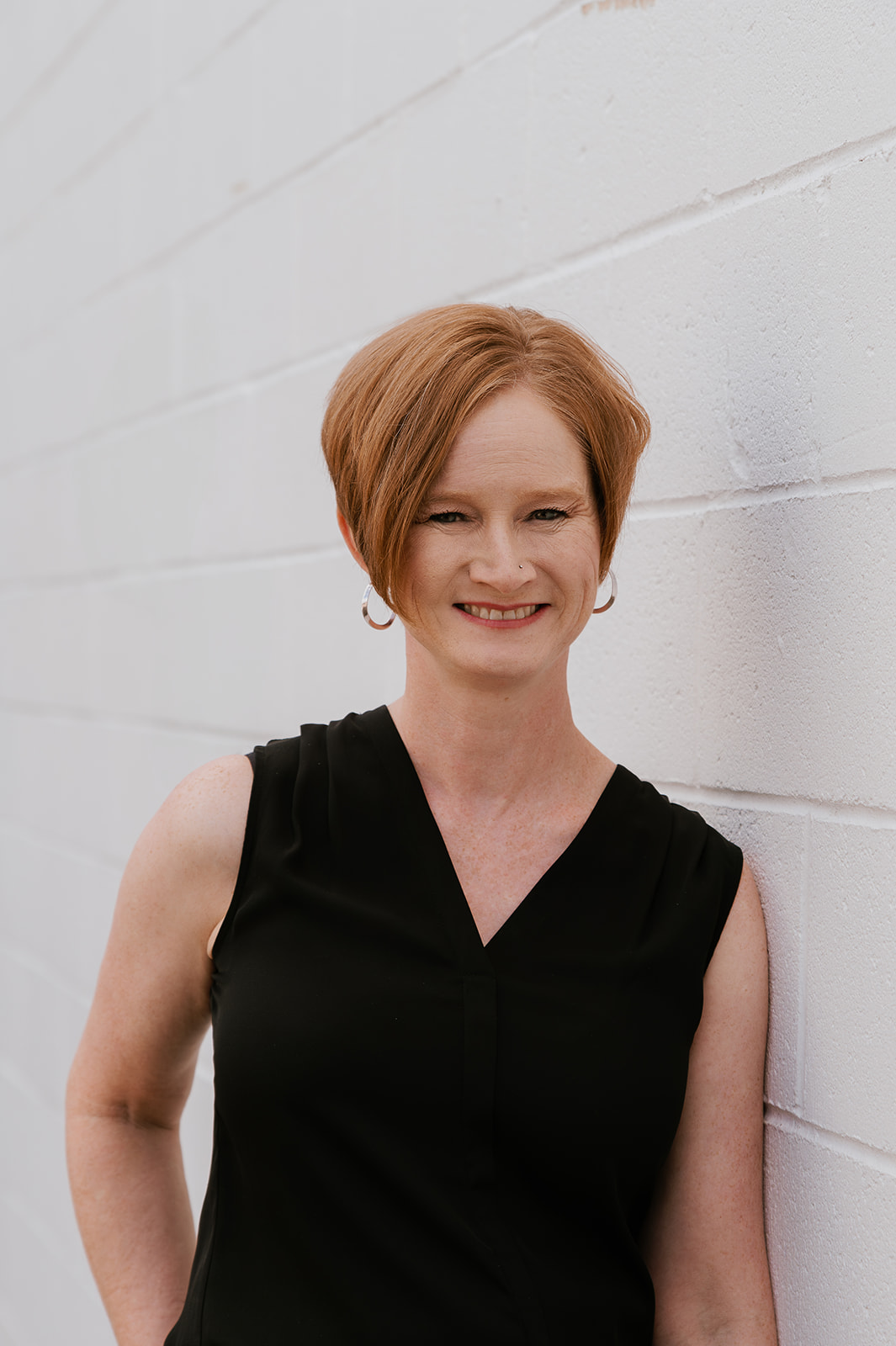
If you are weighing a decision right now and you are not sure whether the advice you are getting is honest or just agreeable, that is worth paying attention to. The first stage of the Balance Method is simply knowing where you stand, which only works if the person walking you through it is willing to tell you the truth along the way. I am Bettina Reid with Balance Real Estate Group, and honesty before comfort is something my team and I take seriously with every client in Langley and beyond.











 The data relating to real estate on this website comes in part from the MLS® Reciprocity program of either the Real Estate Board of Greater Vancouver (REBGV), the Fraser Valley Real Estate Board (FVREB) or the Chilliwack and District Real Estate Board (CADREB). Real estate listings held by participating real estate firms are marked with the MLS® logo and detailed information about the listing includes the name of the listing agent. This representation is based in whole or part on data generated by either the REBGV, the FVREB or the CADREB which assumes no responsibility for its accuracy. The materials contained on this page may not be reproduced without the express written consent of either the REBGV, the FVREB or the CADREB.