
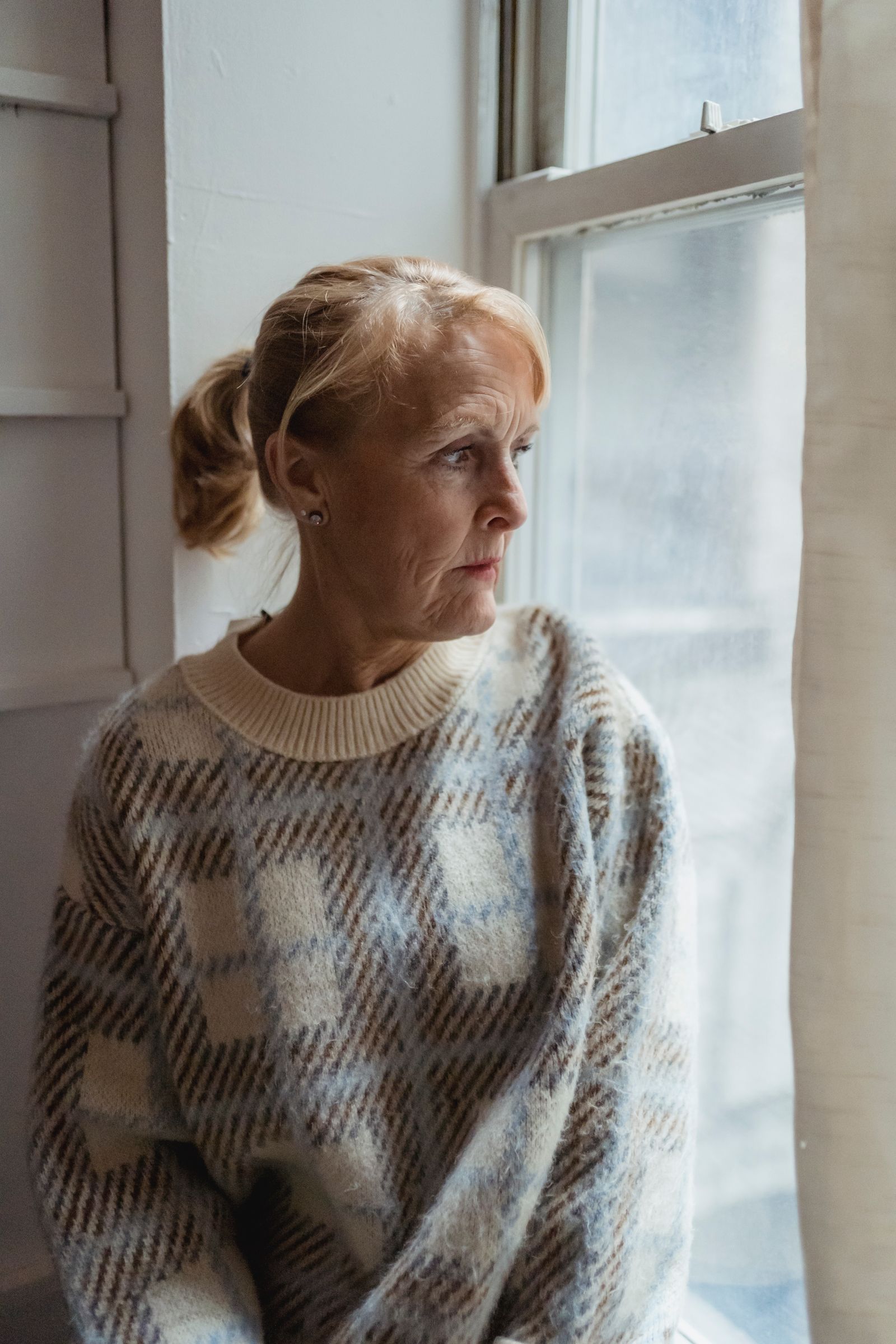
Yes, and there is a real reason for it. Perimenopause changes how your body reads a room, from temperature to sound to light, and a house that felt fine last year can suddenly feel too small, too loud, or just off in a way you cannot quite name.
This is not you being difficult. Hormone shifts affect the nervous system directly, and a nervous system that is already working overtime does not have much patience left for a kitchen that never quite works or a bedroom that never feels restful. Women in Cloverdale tell me the same thing in different words. The house did not change. Their tolerance for it did.
A lot of women push this feeling down because it seems like too small a reason for a big decision. Perimenopause brain fog makes it worse, because even simple choices about paint or furniture can feel exhausting, so the whole question of the house gets pushed to the bottom of the list.
Sleep is usually the first sign. If you are waking up too hot, too often, or too early, your bedroom stops feeling like a place of rest and starts feeling like a problem you live inside every night. Some women find that a cooler, quieter room solves it. Others realize the whole layout of the house, the stairs, the shared walls, the lack of a room to retreat to, is working against them no matter what they change.
Here is what I have noticed after twenty years of working with women through this stage of life. The urge to change your home during perimenopause is rarely about the home itself. It is about wanting your life to feel more like yours again, and the house is the most visible place to start. Making housing decisions during perimenopause really is harder than it used to be, and knowing that can take some of the pressure off yourself.
Some women in Langley solve this by changing a single room, new paint, better light, a decluttered corner that finally feels calm. Others realize no amount of rearranging will fix a layout that was never built for how they actually live now. Neither answer is wrong. What matters is that you stop assuming the discomfort will pass on its own.
The trouble is that "we're fine for now" can quietly become a habit long after it stops being true. "We're fine for now" can quietly cost you, especially when the thing you keep putting off is your own comfort in your own home.
Feeling stuck does not always mean you are out of options. Plenty of women feel pinned in place even when a move is completely within reach. Some homeowners feel stuck even when they have options, usually because no one has walked them through what those options actually look like.
If you are in this stretch of life and your house feels like it is working against you instead of for you, that feeling deserves attention instead of being pushed past. The first real step is not deciding to sell. It is figuring out where you actually stand, which is exactly what the Balance Method is built to help with.
I am Bettina Reid with Balance Real Estate Group, and for two decades I have helped women across Cloverdale and Langley listen to what their homes are telling them instead of talking themselves out of it. If your house has started to feel loud, small, or just off, you do not have to sort out why on your own. Reach out and we can talk through what you are noticing and what your options actually look like.


 The data relating to real estate on this website comes in part from the MLS® Reciprocity program of either the Real Estate Board of Greater Vancouver (REBGV), the Fraser Valley Real Estate Board (FVREB) or the Chilliwack and District Real Estate Board (CADREB). Real estate listings held by participating real estate firms are marked with the MLS® logo and detailed information about the listing includes the name of the listing agent. This representation is based in whole or part on data generated by either the REBGV, the FVREB or the CADREB which assumes no responsibility for its accuracy. The materials contained on this page may not be reproduced without the express written consent of either the REBGV, the FVREB or the CADREB.