RSS

Simple Air-Conditioner Cleaning & Maintenance Tips for Homeowners

As heat waves hit various parts of Canada, locals are trying to protect themselves by staying indoors and cooling themselves down. Due to the extreme weather, many people are relying on their air-conditioning units to be able to beat the heat. Unfortunately, some homeowners are experiencing problems with their own air-conditioning units, causing local air conditioning service providers to be busier than normal.

The extreme heat and the need to have air-conditioning units on at all times is causing more units to break down. To prevent experiencing this problem in your own home, here are some simple cleaning and maintenance steps that may benefit you in the short and long-term:

Clean the AC unit regularly

One of the most common mistakes that homeowners make is not cleaning their air-conditioners on a regular basis. Over time, dust and debris can build up in the air filters, evaporators, condenser coils, or cooling fins. This build-up may make it harder for your air conditioner to produce its usual temperatures.

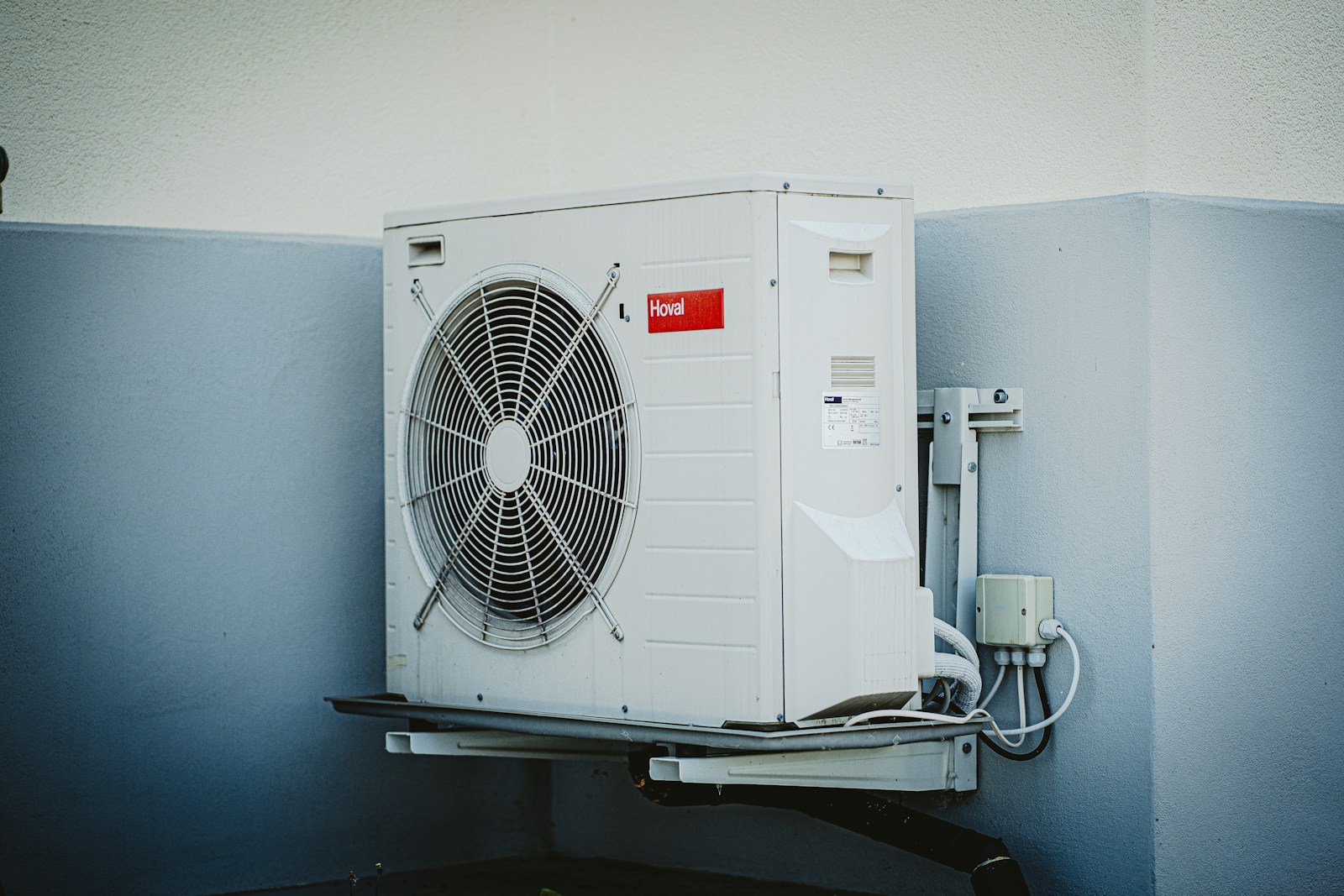
When cleaning air-conditioners, experts emphasize that air filters need to be attended to every one to two months, while the entire unit must be cleaned at least once a year. Although you can do the cleaning on your own, the removal and installation of the parts can be tricky so it’s advisable that you leave it to the experts.

If you do decide to clean your unit yourself, you can start by switching off and unplugging your unit before removing it from the wall. Take off the front panel so that you can vacuum any dust or grime attached to it. Straighten the bent cooling fins with a fin comb then clean the unit casing with a solution. Use the same solution to clean the front panel, condensation drain pan, casing, and window fins. Gently scrub all the parts and wipe away the excess debris before letting it dry. Make sure that the parts are spotless and dry before reinstalling the unit.

Replace the air filters

Is your air conditioner still releasing warm air or taking longer than 30 minutes to cool the room even when you’ve cleaned the unit? This is an indication that it’s time to change the air filter. But before doing so, turn off the unit first. Open up the air vent to remove your old air filter. Make sure that the airflow arrows on the filter are directed towards the unit before you place the air filter inside. Close the vent and turn the unit on to check.

Keep the unit’s area clear

Because your air conditioner is releasing hot air, it’s important to keep the surrounding area clear from any blockages. Any obstructions, like plants or furniture, can block the airflow and cause your unit to malfunction. Though the condensers may be a little bulky and unsightly, it’s important to keep the area clear so you can keep the pressure down and improve the lifespan of your air conditioner.

Set the thermostat properly

It’s convenient to leave on your air conditioner all day long, even when your house is empty. Entering a cool room is refreshing after a long day under the warm sun. However, leaving the thermostat at a low temperature for too long can damage your unit and increase your electricity bill.

Extend its lifespan by adjusting the thermostat every time you leave your home. You can also invest in a programmable thermostat, which adjusts the temperature during scheduled hours.

At the end of the day, you need to maintain and clean your air conditioner so that it can work optimally. However, make sure that a professional gets to check your unit regularly so that they can help you extend its lifecycle and keep it working at a high standard.

For more home maintenance tips, be sure to check our blog here.

Specially written for Balancerealestategroup.com

By: Rosalie Jaen

Read

6 Things You Can Do to Help Future You


Many of us fall into the habit of putting things off for a later time — procrastinating and saying, “That’s future me’s problem.” In fact, a staggering 20% of the population actively engages in habitual procrastination, and psychologists claim that it’s because we have a tendency to try and avoid doing things that we deem unpleasant.

Unfortunately, procrastinating and leaving things up to future you can have a massive impact on you, especially when it’s about your health. Procrastination has been found to be linked to a higher risk of cardiovascular disease and hypertension, and could trigger anxiety, depression, and rumination when done in excess.

Instead of putting things off for future you, why not do future you a favor? There are a number of things you can start doing today that will help you down the line — and they don’t even have to be all that involved or unpleasant! Here are just some of the things you can do to help future you:

Get enough sleep

You’d be surprised how much impact getting enough sleep can have on not just your body, but your mood as well. About 1 in 4 adults reportedly fail to get enough sleep every night, often due to poor sleep hygiene, chronic stress, and a more sedentary lifestyle. Getting enough sleep is easier said than done, of course — we live busy lives, and we may often
find that we don’t have enough hours in the day to do everything that needs to be done and get enough sleep. Practicing proper sleep hygiene — avoiding caffeine, alcohol, and nicotine
before bed; reducing noise in your sleeping environment; and maintaining a regular bedtime – can be a huge help in accomplishing this.

Declutter

Clutter — and mess, generally — can have a negative impact on your mental health. Clutter can annoy you, distract you, and cause feelings of stress, fatigue, and depression.

Decluttering may be something that you’ll want to put off for a later, but getting over the initial unpleasantness can help future you a lot. Decluttering reduces stress and leads to better sleep, too! However, it’s a long process that you’ll want to slowly chip away at. Take things one step at a time and slowly declutter your space. Future you will thank you for it!

Be more cautious with money

You may not realize it, but money (and worrying about money) can be a huge source of stress for many of us. By setting aside money for emergencies, managing spending, and making good investments, you can slowly ease financial anxiety.

A good rule of thumb is to build an emergency savings pool that can cover 3 to 6 months of essential expenses, and to make smart, cautious investments that are sure to pay off in the long run. Invest in a registered retirement savings plan (RRSP) and don’t withdraw the funds until you actually retire. This is to avoid the fees that are a result of withdrawing your RRSP early, such as higher taxes and administrative fees. Purchase a house when you can, but make sure that your housing payments don’t exceed 35% of your gross monthly income. This way, you can build better financial habits that future you can benefit from.

Don’t stop learning

The best thing you can invest in is yourself, and if you want to secure your future, you should never stop learning.

This doesn’t necessarily mean getting a post-graduate degree — although higher educational attainment has been found to lead to lower unemployment rates. After all, learning can be
achieved everywhere. From reading new books to experiencing new things, or even just engaging in conversations with different people, it’s possible to learn something new every day.

Go natural

It may be more convenient to rely on products made with harsh chemicals, but these can have long-term effects for both you and the environment!

Always opt for natural solutions whenever you can. Eat organic food and shop sustainably, as this can also help support local farmers. Choose natural cleaning solutions for your home, as using store-brand chemicals could wear on your furniture much faster than natural alternatives. Use natural beauty and skincare products too -- they may seem more expensive at face value, but the long-term savings and effects they'll have will have future you thanking you for making the switch!

Maintain your property

The importance of maintaining your home can't be emphasized enough. Whether you plan to live in it or are intending to sell it at some point in the future, a well-maintained home can
make all the difference.

Don't put off repairs when the need arises. Always clean out your gutters, fix leaking pipes, and unclog your bathroom drain. There's nothing more frustrating than realizing that you could
have averted disaster had you spent a few minutes repairing something when you first noticed it was broken. Maintaining your home, furniture, and appliances not only increases the value of your home, but also saves you headaches down the line.

By doing these things and tackling things as they come instead of putting them off for later, future you can enjoy the benefits of all your hard work.

Specially written for balancerealestategroup.com
By: Rosalie Jaen

Read

Tips On Finding The Best Moving Company

Are you planning to move house in the near future? If so, you likely feel a mixture of excitement and stress.

Indeed moving house can be a wonderful time in life, a new chapter, new beginnings, and many prospects ahead. Yet getting from A to B can feel more than a little overwhelming. Of course, many factors can make the move less stressful; however, one of the major ones lies in choosing the right moving company. If you make a good choice, you can alleviate lots of worries and concerns, and if you choose the wrong one, you will only add to those already high-stress levels. So, how do you make a wise choice? Read on, and we will be happy to advise you!

Know Your Needs

The first step in making a good choice is knowing your needs. Do not be tempted to rush this step. Instead, sit down with a pen and paper and write down the rooms in your home and what you need to move. This will highlight any items that are going to need specialized equipment or skills. Things like an acoustic piano, large or awkward pieces of furniture, wall art, and the list go on; all of these need to be highlighted to a moving company, and you, as the homeowner, need to feel that the company you choose can suitably care for your belongings.

Decide Whether You Are Happy To Do The Packing Yourself

This is going to be a significant factor in helping you choose the right company. Some companies offer a full packing and moving service, while others only provide moving service. You may be happy to pack up your home yourself and have a company arrive on the day to move your things from A to B. Of course, this will be a cheaper option; however, you do need to consider whether you have the skills and materials to pack everything securely. Sometimes the extra cost is a good investment in ensuring that everything makes it to your new home safely.

Get Recommendations

Next up, it's time to get a few good recommendations within your local area. Since moving house is a common occurrence, this step should not be a difficult one. Once your friends, work colleagues, and neighbors know of your plans, you are sure to get recommendations, even if you don't ask for them! Please take note of names that seem to come up a few times, and don't forget to ask the people recommending the company why they liked them and whether there was anything they felt disappointed in.

Get Quotes Of Different Moving Companies

By now, you should have narrowed your search down to cheap moving companies nearby that have been recommended and that cover your needs (such as skilled in handling specific items or companies that offer a packing and moving service). Now, it is time to get a few quotes. Ensure that you provide a full brief of your needs to each company; this will help you accurately compare quotes on a like-for-like basis.

It's Not Always A Case Of Cheap And Cheerful!

Of course, when you are moving house, there seem to be ongoing expenses that keep rolling in. This can make it very tempting to opt for the cheapest choice for the moving company; however, this could be a decision that you live to regret. While you do not want to pay an excessive amount for a moving company, you also should expect to pay a reasonable fee for a good service. If a company seems to be offering a rate that looks too good to be true, there is every chance that you will end up with the result that was exactly that; not what you expected and for all the wrong reasons!

Check The Insurance

It is easy to presume that all moving companies have the best insurance, but unfortunately, this may not always be the case. Please do not be embarrassed to ask a moving company about the insurance that they have. If a company seems a little hesitant to provide you with full details on their insurance, you should swiftly move on. Remember, you are entrusting all of your belongings into the hands of a moving company, so making sure that they have the best insurance is an absolute must.

The Bottom Line On Choosing A Great Moving Company

There is no doubt that moving house can be a stressful time in life; however, making a good choice for the moving company can make a huge difference. Granted, it does take a little time and effort to make a good choice; however, it does not need to be a mission impossible.

Firstly, take the time to sit down, understand your needs, outline these with pen and paper. Next, decide if you are happy to pack up your house yourself or want a company that can care for this. Then move on to getting recommendations and once you have a shortlist, go ahead and contact the companies to get accurate quotes based on a full brief. Once you have decided on your top picks, make sure that they have the right insurance. After that, all that's left to be done is enjoy getting settled into your new home and the next chapter in your life.

Read

How Seniors Can Find the Perfect Home for Aging in Place and some COVID tips for staying safe

We posted this article back in 2019 and thought it would be worth sharing once again. With the pandemic this last year there is concern that seniors may be driving more and we found this great guide...although American based still relevant for Canadians. A guide to help senior drivers and passengers travel more safely amid the pandemic. 

How Seniors Can Find the Perfect Home for Aging in Place

More and more seniors are choosing to age in place - growing old in their homes as opposed to an assisted living community. Modern technology and higher standards of in-home care are making this an option for more people. However, some seniors can’t age in place in their current homes for a variety of reasons. Here is a great link to why many shouldn't stay in their homes alone: Should a Senior live alone. Here are some great tips on how to find the perfect new home in which to age in place.

Choose a home in a friendly neighborhood

One thing that an assisted living facility does provide seniors is built-in socialization. Many seniors struggle with isolation and loneliness, and living in a special community can often alleviate this. If you want to age in place in your own home, however, it’s vital that you move to a neighborhood that gives you the most options to be social. Talk to the neighbors around any potential home buy. Are they friendly? Ask them if the neighborhood is tight-knit, and if there are any neighborhood associations that sponsor parties, cookouts, and other get-togethers. Try to find a neighborhood where you will find new friends and activities to keep you occupied. 

Choose a home that will require minimal modifications

As a senior, there are plenty of specific house features that you may require for comfortable, independent living. It depends on your level of mobility, but you could want anything from a walk-in, no-ledge shower, to non-slip flooring like textured tiles in bathrooms and kitchens, to low or adjustable level countertops, or even reinforced grips and railings throughout the home. You want a home that you can live in for the rest of your life, so it should not only be accommodating for you now but for you in the future as well. You can save money on modifications if you focus on finding a home that will require as few as possible. 

Choose a home that requires little upkeep

The answer to the question Why not just age in place in your current home? is almost always because it’s too large/requires too much upkeep. Seniors moving to a new home are most certainly downsizing, as this helps streamline their entire existence and gets rid of superfluous possessions and space that only serves to tie them down and prevents true independent living. Start downsizing as soon as possible so that you will have a better idea of home much space you’ll need in your new home. Refusing to downsize is a major pitfall for seniors looking to age in place. 

Also, it’s probably not wise to choose a new home with a ton of outdoor upkeep either. Many seniors love to garden, and having enough space for a modest garden is likely all you’ll want. Otherwise you will be working too hard to maintain a large yard - and you’ll most likely have to pay someone to do it as you age. Find a home with a modest yard or work to create one yourself

Buy within your means

The perfect home for you is the one you can afford. If you’re a senior living on a fixed or tight income, make sure your mortgage payment doesn’t overextend you. Always be wary of “hidden costs” of homeownership like insurance costs, taxes, maintenance and repair fees, and neighborhood association costs. 

The perfect home for a senior looking to age in place is one they can afford, that accommodates their mobility issues (both present and future), and is in a location where they can be social with friends and neighbors. 

If you are caring for a senior loved one or have considered a career in senior care, Gradschool hub offers a great guide.

Read

5 Methods for Composting at Home

It’s always beneficial to look for ways to make your home more eco-friendly. From conserving water to limiting food waste, reducing your carbon footprint is essential and easy to do while spending more time at home!

Each year, Canadians produce 31 million tonnes of garbage and almost half of all food produced is lost or wasted. Food that is thrown away ends up in landfills and creates methane, which is a harmful greenhouse gas. 

You might be asking, what can you do to reduce your household’s contribution to food waste? By incorporating different green methods into your home, you can help reduce food waste while also discovering self-sustaining projects that can benefit your garden. 

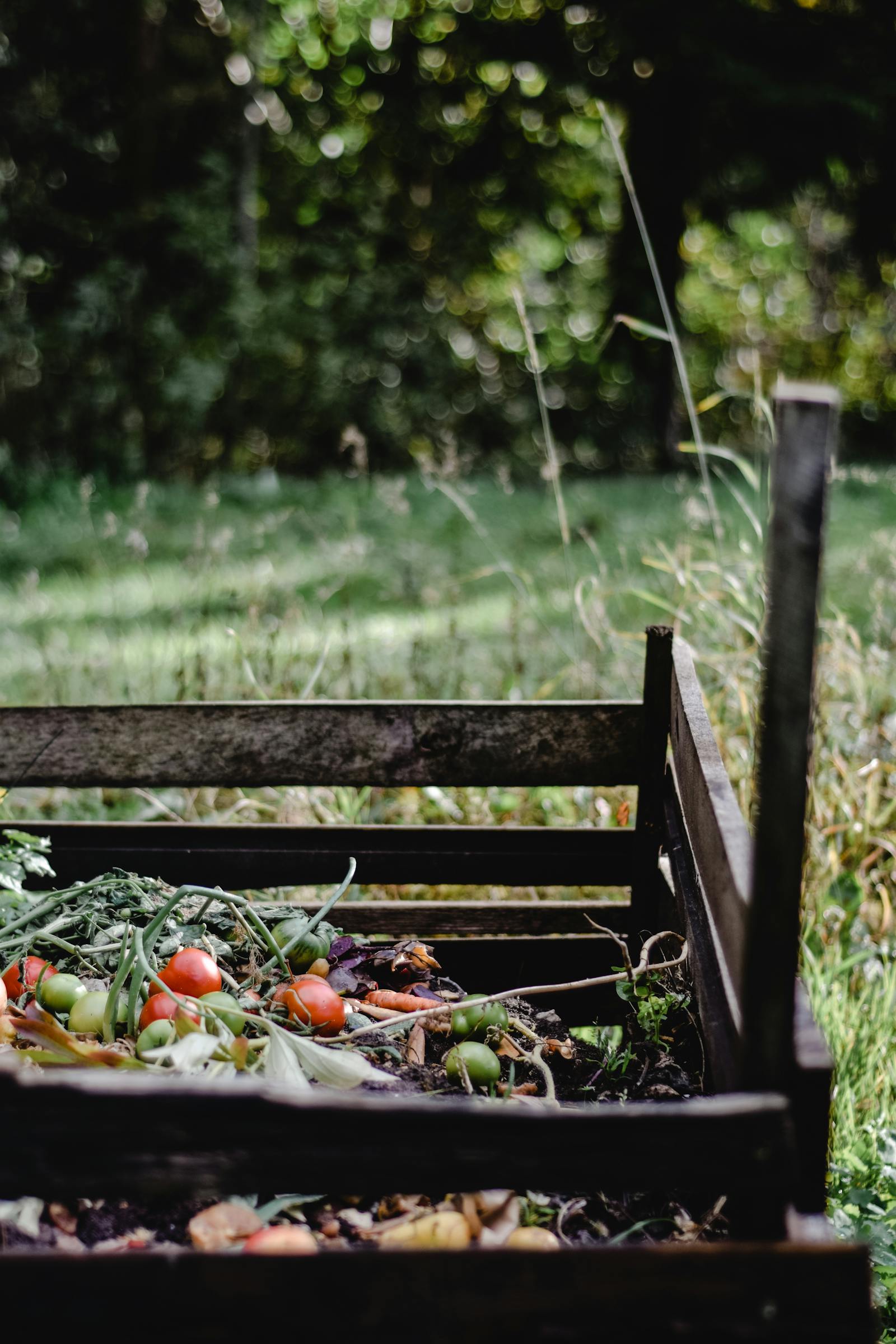
Composting is an easy and effective way to convert kitchen scraps and other materials into fertilizer that you can use to tend your garden and house plants. If you’re new to composting or you have been previously turned off by the idea of decomposing materials, don’t fear! In our guide, we will show you all the different ways to compost and limit food waste whether you have a small apartment or larger space to work with. 

What You’ll Need to Compost

Before getting started, let’s discuss what you’ll need to compost. There are four ingredients required to successfully compost. 

  • Air: Organisms in your pile need oxygen to survive. 

  • Water: Water helps keep the pile’s temperature regulated. 

  • Brown Materials: Adds carbon to your pile.

  • Green Materials:  Adds nitrogen to your pile. 

Adding brown and green materials to your pile such as dead leaves and grass help balance the nitrogen and carbon needed to compost. A good rule of thumb is that each time you add a batch of green ingredients, add roughly four times that amount in brown ingredients. Next, let’s cover what kinds of kitchen scraps you can add to your compost pile.

Greens

There are many different green materials that can be composted. This includes spoiled vegetables and fruits, grass clippings, tea and coffee and old flowers. 

Browns

Brown materials that can be composted include eggshells, vegetable peels and skins, nut shells, newspaper, dead leaves, cardboard and even wood shavings. Just avoid adding any weeds and plants that died of unnatural causes as they could spread diseases in your soil.

Since not everyone has the space to compost in their backyard, we’ve provided a few methods that you can use to compost in a small space or apartment. 

How to Compost at Home

There are several great methods to compost at home that are easy to learn and try. To help you get started, we’ve listed a few below. 

Method 1: Create a Worm Bin 

Worm bins are exactly as they sound...bins of worms! Also called vermicomposter, this process of composting includes using worms to break down and process food waste. This allows you to make fertilizer without needing to turn the pile since the worms are able to move freely mixing your compost for you. 

When creating a worm bin, make sure you provide the worms with proper living conditions. They need to be kept in a location that is 60-80 degrees Fahrenheit so keeping your bin under your sink or in a closet works best. You can either purchase a ready-made worm bin or create your own worm composter yourself. 

Method 2: Use a Compost Tumbler

Compost tumblers are larger than worm bins and are fully sealed to preserve the heat generated by your compost. Tumblers can decompose kitchen scraps quickly and turning is easy since they tend to come with a handle on the side. 

Method 3: Try the Bokashi Method

Bokashi is a two-step composting process that begins by fermenting food waste in a sealed container. With this method, you can compost meat and dairy, however, since there are no worms, you don’t want any moisture in your Bokashi bin.

Method 4: Use a Food Digester

Food digesters are electric and tend to be the size of a bread-maker. They can easily sit on your counter and won’t take up much space. Food digesters are free of any odour and use aeration and heat to reduce the volume of waste. 

Method 5: Donate Food Waste

For those who don’t have the time or interest in composting, donation is always a viable option. Many local farmer’s markets or community gardens will accept food waste and will do the composting for you. 

We hope this at-home composting guide inspires you to limit your household’s food waste and incorporate eco-friendly hacks into your home. For even more ideas on composting, check out this guide to urban composting.

Read

Looking Into Renovating Your Place? These Are the Essential Tools to Own

All across the world some of us are living in lockdown, confined in our homes due to the Covid-19 pandemic. Now, it might be a good idea to deal with those projects that we are always making excuses for postponing.

If you find this relatable, this article will help you get through the basics of home renovation. Here, you will find a list of tools that any beginner should have if they want to renovate their house. Why spend large budgets on contractors when you can have all the fun?

So, grab your shopping list and pen - let’s get started!

Safety First

You must be aware that this type of work can cause serious injuries, and that is why it is essential to provide yourself with protecting material to avoid accidents that might happen.

Safety Glasses

These are essential to every kind of task that you might do. Eye protection is fundamental to prevent possible damage caused by dust or some tool. Besides, you should get more than one pair as they get dirty, fogged, and can get broken or even lost.

Hearing Protection

Safety Ear Muffs are a crucial tool if you are planning on doing loud works such as operating a shop vacuum or drilling.

Protecting Mask

This one should be easy to find in every home (due to the actual pandemic situation). In case you have to sweep a lot of dust or work with tools that when in contact with some materials produce a lot of dirt, you should have a mask or even a cartridge respirator for more protection - your lungs will thank you!

Match the Tool to the Job

If you aim to complete each task with high-quality results, plus save yourself some time and money, you should find the right tool for each job. Beyond the well-known supplies - hammer, ladders, lighting, tapes, saw blades, and pliers - some tasks may demand the efficiency of a power tool.

Floor Drum Sander

Floor sanding is a hard, long, and challenging task. If you don’t own the proper machine, not only the job can take days to complete when it could have been finished in hours, but the results will be far from what you’ve expected.

A great example of this type of machine is the Clark’s Az-8 Floor Drum Sander - this is a professional machine that can take on huge surfaces quickly while also being comfortable to work with. Best of all: it delivers an exceptional finish. You can also check some other models at SanderScore.

Cordless Drill

These are helpful tools with the feature of not having a cable to connect to the electricity, which can be easy to manage. When using this kind of machine, you can drill holes and drive screws but, the only downside is that it takes from 15 minutes up to 3 hours to charge. But faster isn’t always necessarily better.

Jigsaw

Jigsaws are ideal gifts for people that love solving puzzles, but they are also power tools that can create a rounded shape cut in materials like sheets of wood. They come in a vast range of prices, but none will break the bank - these are actually the cheapest kind of power tool that money can buy. If you are planning on manually contouring some cuts, you should think about getting a jigsaw.

Clean Everything at the End

Besides ensuring all safety measures and choosing the best tool for each job, to complete the task we must guarantee that the place is well cleaned and organized. For that, we will need several objects, such as brooms, shop vacuums, and coveralls.

Do It Yourself

I hope that at the end of this article you will feel motivated to move forward with the projects that you may have at home. As you can see, remodeling is so much more than a hammer and a few nails: become a DIYer and make the best of your time at home!


Read

Moving? Replace These 5 Kitchen Items

Almost everybody moves at some point in their lives.

I’ve always been fascinated at how most humans, myself included, adapt our belongings to fill our living spaces. Everyone has a unique threshold for this, of course, but even a functional minimalist is likely to uncover forgotten junk and gems when packing up for a move.

As much of a hassle as moving can be, I’ve always appreciated how the experience of moving challenges me to evaluate which items I value, and those I don’t.

Preening during a move has greater utility than just space saving or exercising personal preference. It can also be a matter of health and hygiene.

Here are 5 common kitchen items that you should consider closely before packing them up for transit to your new place.

Cooking Oil

Most cooking oils are expensive, and it can feel conflicting to toss out a mostly full bottle(s) you just discovered at the back of a tall cabinet.

Think twice before bringing old oil into a new home. Cooking oil has a shelf life, and it can be dangerous to consume once it has expired.

As an example of this, extra virgin olive oil has up to a 2 year shelf life from the month it was picked and pressed. Once you've opened a new bottle of olive oil, use it within 60 days.

Many people buy a bottle of fancy olive oil, use it sparingly, and then stash it away for a special occasion. Once you open it, the oil will never be as delicious as it is today. 

Unfortunately, the downside of old oil isn’t only off-peak flavours. It is unhealthy too. The unsaturated fat in most cooking oils oxidizes with exposure to light, heat and oxygen. Oxidized fats can disrupt cellular function across trillions of cell membranes in the human body.

Pots and Pans

Take stock of your cookware when moving.

Some pots and pans are built for a lifetime, perhaps several lifetimes. For example, our kitchen uses a cast iron fry pan that is a century old and 3 generations deep.

We also use a PTFE-coated nonstick pan periodically, when we’re searching for a fast cleanup. Like most nonstick pans, we are 5 years in and this one is past ready for recycling.

If your cookware is warped, flaking or otherwise not performing properly then perhaps it’s time to trade up. Consider picking up a clad steel cookware set for the replacement. It will last a lifetime like cast iron while being more responsive and lighter weight like nonstick aluminum.

Cutting Boards

Your cutting boards weren’t meant to last forever. 

They pick up nicks and grooves with regular use, and these cavities can become the perfect places for bacteria to grow like E. Coli or salmonella. 

Even with regular cleaning, it’s smart to be aware of when a plastic, wood, or glass cutting board is past its prime.

Plastic cutting boards may be the easiest material to clean. You can toss them in the dishwasher. Unfortunately, they also groove out very easily and may require replacement in only a few months.

Wood cutting boards are more limited in how you can clean them, because several common cleaners will damage the wood. Unfortunately, porous wood boards also absorb liquids like juice from meats cut atop them. This means they can become fertile ground for bacteria growth.

Glass cutting boards may be the most durable and easiest to clean, but they will dull your knives quickly. They are also very loud.

Perhaps the best overall solution is to rotate plastic cutting boards for cutting meat, and a wood board for everything else. When the wood becomes cut and grooved, sand it down. 

However you upgrade your cutting board collection, be sure that you are cleaning them regularly and in a way that best suits the base material.

Sponges

As you might expect, sponges are an incredible collection point for bacteria.

Virtually every person with a kitchen uses a sponge, dish cloth or bristled brush daily. Sponges are typically the most affordable option, and can be durable without disintegrating for much longer than you should actually use them.

Sponges are porous, which makes them effective at their primary job. This material property also creates an environment where liquids and food particles linger. Such an environment is fertile ground for bacteria to grow.

It’s good practice to replace your sponge periodically, with many cleanliness experts recommending as often as once per week. Others say that with an excellent sponge maintenance routine, which is a high bar, that you might consider replacing monthly.

You’ll get no judgement from me if you’re still using a sponge from last year. We’ve probably all been there before, and I certainly have on several occasions.

To level up your sponge cleanliness routine, be sure to rinse and remove any food debris after each use. Wring out the sponge in its entirety, and store in a place where the sponge can easily air dry. 

If you don’t have a routine in place, during a move is a great time to start.

Cooking Utensils

When moving you should always take stock of your spoons, spatulas and other cooking utensils. 

Similar to cutting boards - cuts, cracks and crevices can be a breeding ground for bacteria to grow.  This is especially true with wooden or silicone spatulas, and any cooking utensils that fasten two materials at a loose or removable joint.

Cracks and joints are typically spaces that handwashing and even dishwashers can’t reach. Old oil and sauces may clog the gaps and become rancid. You can often pick up on this fact with a simple smell test. If something smells “off,” it probably is.

Wooden spoons will collect cuts and cracks, and silicone spatulas will sometimes melt or split. From a pure functionality standpoint it can be helpful to upgrade periodically as well.

If you’re not moving. 

Even if you’re not moving, it’s smart to build a kitchen hygiene routine. 

Nobody plans to accumulate rancid old oil, or to use a sponge until it has diminished to nearly nothing. 

Still, we get busy, life continues to move onward, and one day you may realize that the back row of your cupboard is full of items that expired last year. It happens, and often we only discover when we are packaging up our lives for transit to a new abode.

Taking account of your cooking oil, pots and pans, cutting boards, sponges and spatulas is a great spot to begin. You can start today, and it will probably take less than 10 minutes to familiarize yourself if you need to make any of these changes.

Set a reminder in your calendar or phone to alert you again in 6-months. Make the robots do the work of remembering so you don’t have to.

Healthy living often starts with awareness. You may also find this practice has a positive impact on your health and the evolution of your personal preferences.

Whether you’re moving, or just cleaning up, I hope these tips have helped you find easy actionable ways to get started.

Author Bio

David Lewis


Read

Top 5 Ways to Keep Your Home Clean Without Chemicals


It’s so difficult to find natural ways to clean your home these days. Everyone seems to go for the easy solution of just scrubbing down every surface they can with some store brand cleaner. 

Little do they know strong chemicals may wither away a lot of surfaces, and wear on them so much faster than natural ways of cleaning.

So let’s get out of the lazy habit of letting harmful cleaners do all the work, and check out these 5 completely natural ways to keep your home clean.

#1 Clean Your Oven/Stove With Baking Soda

First, you’ll want to mix  some baking soda and water and form a paste that you can spread all over the oven or stove. 

Then let it sit there for a few hours or overnight while you’re asleep. Finally, wipe it clean with a wet cloth and your stove will look nice and shiny! 

Be sure to remove all of the baking soda because if baking soda gets really hot, it can make an even bigger mess than what you started with.

#2 Scrub Your Toilet Using Vinegar

Pour about 1/4 to 1/2 cup vinegar into the toilet, and if you can add 1 or 2 drops of essential oils as well. Something like tea tree essential oil will work just fine.

Then you scrub like usual and let it sit for 1 hour. Set a timer if you’re the forgetful type, and once it goes off go back and scrub again then flush.

You’ll not only have a wonderfully clean toilet, but the vinegar will help mask any smelly bathroom odours, so you can even save on scented sprays too! 

#3 Use Steam Mops to Clean Your Floors

For fantastic looking floors without the need for chemical cleaners, steam mops are absolutely a worthwhile buy.

Steam mops use hot steam to remove grime from floors and work well without the need for those harshly smelling chemicals. Instead they just use air to get out all that messy dirt from your floors!

They will remove tough, dried-on stains as well, they really are a do it all kind of mop. Plus, because the steam reaches high temperatures, these mops can sanitize and disinfect germy areas like bathroom floors and pet spaces, all you need are a few slow passes over them.

#4 Clean Your Fridge With a Baking Soda and Water Mixture

Begin this mixture by adding about 2 tablespoons of baking soda and 4 cups of warm water.

Then, remove everything from your fridge and use the baking soda mix and a soft cloth to clean all the surfaces inside.

Finally, remove all the drawers and wash those either with the baking soda mixture as well and be sure to dry all the surfaces before putting your food back in the fridge.

#5 Use Baking Soda or Vinegar to Clean Your Carpets 

If you’re looking for a simple, quick clean, start by mixing baking soda with a few drops of an essential oil like lemon, lavender, or peppermint.

Then, sprinkle that over your carpets and let it sit for about 15 to 20 minutes and then vacuum all the spots where you left it.

If you’re trying to steam-clean your carpets, use a mix of equal parts vinegar and water instead of the chemical cleaner and you’ll get the same results without putting all those harmful chemicals into the air!

Conclusion

Now that I’ve wrapped up these top 5 ways to stay green while you clean, I hope you got some great ideas to keep those chemicals off your surfaces. 

You’ll find your house will be just as clean, and what’s even better, is you’ll save money by not buying all these cleaning products too! There are so many great cleaning hacks out there you just have to look for them before looking to buy harsh chemicals. 

Here's another great guide for how to find the perfect cookware

Author's Bio: Nora Mitchell is a stay-at-home mom, always trying to maintain a healthy balance between taking care of the home and having fun. She contributes with her household tips in householdadvice.net

Read

Things to Do Before Moving Into Your New Home

When moving into a new home, there are several things you must do to help you settle in fast. The entire process will be tedious, time-consuming, and will involve money to buy new household products. But what is important is being patient and organized about it. You may need to have a moving checklist to guide you in every step of your moving journey.

With all the hassle, you need a new home to do list because packing and unpacking may take a few days to complete. Fortunately, in this digital age, it isn't hard to do anything because the internet is right at your fingertips. That is why we wrote this piece to help you understand the things you need to do before moving into your new home.

So here’s what to do:

  1. Update Your Address

The first thing to do when moving to a new home is to send in a change of address form with Canada Post; otherwise, your parcels and letters will land in the wrong hands. Also, ensure you change the address on running subscriptions, with the CRA, at the bank, on correspondences that come to your home, and more

Inform your family and friends about it because you do not want your holiday cards to get to the wrong destination.

  1. Inspect and Do Repairs

Walk through the house to see if the conditions meet what was in agreement, and if there are any additional repairs, fix them right away. If you find flaws that the previous owner ought to have fixed, do not hesitate to contact your realtor to follow up. 

Check the plumbing works to ensure that there aren't any leaks on the piping. You can invite a home inspector to do a professional job for you.

  1. Confirm Availability of All Utilities

A home is only habitable when all the utilities are running well. So, ensure you check that the electricity, water, and gas connections are functioning as required. Do not forget to set up internet and phone connections and reach out to the city for new waste bins if possible.

  1. Conduct Thorough Cleaning and Extermination of Pests

Cleaning is the most important thing to do when moving to your new home because it is the only way to eliminate dust, germs, molds, and other agents that can cause disease. You will have peace knowing that the toilet area is clean and free of germs. And by extermination and fumigation, you rid the house of pests that can be dangerous to your health and those of your loved ones.

  1. Create a General Design Plan

Once done with cleanliness, it's time to think about your house's plan, especially the living room. Plan the design and arrangement of furniture and consider which new home upgrades are worth the money you have planned for a home makeover. You may consult an interior designer to help you out with the best arrangements and new home essentials.

  1. Check for Child and Pet Safety

Childproofing is inevitable if you live with young ones at home. Remove hazardous materials from the kid's play area and fix hanging cables that could strangle them. As for pets, ensure their health safety by keeping harmful or spoiled food away from their sight, train them to keep off electric cords to avoid electric shocks.

  1. Find the Electric Panel and Water Valve

Electrical safety is a priority when moving to a new home; therefore, locate the electrical panel and fuse box for easy access whenever there is an electrical hazard. Besides, you should test to see if the smoke detectors and alarms are working as required. Also, locate the water valve position to know where to turn it off when there is a malfunction on the taps.

  1. Find Social Amenities

Before you start moving, check for the availability of social amenities like schools, hospitals, and entertainment spots. Even before completing the buy of a home, notify your kids, let them contribute to the moving decision, and identify their favourite schools. Do a check on the available health care providers and see if they accept your insurance coverage?

  1. Register your Motor Vehicle and Update Insurance

If you are moving to a new province, you may be required to do a new registration for your motor vehicle. Consequently, you also have to renew your driver's license. Another thing in the spotlight is the home insurance that you have to update to have a peace of mind if something unthinkable ever happens.

  1. Know Your Neighbours

Finally, you have to connect with your neighbours because it is a human thing to do. Your immediate community will come in handy in times of need, so do not ignore them. They are the ones to familiarize you with the new environment.

Moving into your new home won't be a hassle if you have a checklist on what to do to get ready. The things we stated in this article are a good start point to make moving life easier for you. Also, consult home inspectors for help to identify flaws in the attic and edifice. For new home decor ideas, work with interior designers who will offer amazing tips to improve your house's overall outlook.

Have more tips? Do not hesitate to drop your comment, and we will be glad to respond.

Author’s Bio:

Archie was a builder for more than 40 years. Mainly after his retirement the enthusiastic electrical works in garden and writes for a blog Homemakerguide.com to keep himself occupied. His many years of experience can get you the right tool reviews whether it is a drill, welding machine or so. An impressive fact to note about him is that almost everything in his house is a representation of his skills made by his hands. 


Read

How to Boost Your Curb Appeal for a Quick Sale

How to Boost Your Curb Appeal for a Quick Sale

If you’re preparing your home for the market, pay special attention to your curb appeal. An attractive home exterior and front yard will make an amazing first impression on potential buyers—and may even influence how they view the rest of your home! Upgrading your curb appeal is also one of the easiest and most affordable improvements you can make to your home. But where do you start? Here are some great tips and tricks for instant curb appeal!

Why Does Curb Appeal Matter?

From reducing the length of time your home sits on the market to increasing your sale price, curb appeal will play a very important role in your home sale success.

  • Curb appeal is especially important for attracting house-hunters in a buyer’s market.

  • Improving your curb appeal is a quick way to increase your home appraisal value.

  • From mowing the lawn to cleaning your porch, curb appeal upgrades can help you get the price you want for your home.

  • Balance Real Estate Group can help you learn more about the importance of curb appeal when selling your home!

  • How to Marie Kondo your outdoor space

Fix Up Your Home Exterior

With a couple of DIY tools and a good ladder, your home exterior will look like new in no time!

Redecorate Your Porch

Your front porch is the gateway to your home, so you want it to look attractive and inviting to potential buyers.

Do Some Simple Landscaping

A few simple landscaping tips will turn your front yard into a welcoming outdoor oasis.

Sellers on any budget can afford to make a few improvements to their front yard and home exterior. It doesn’t take much to boost your curb appeal! Whether you decide to go all out with a new landscape design or keep things simple with a fresh coat of paint on your front door, the upgrades you make outside are bound to capture the hearts of your potential buyers.

Kitchen Cabinet refresh 

Much like the simple things you can do to improve your curb appeal there are also cost effective tips to refreshing your kitchen cabinets without breaking the bank.

Read

Empty Nest


As I write, I am flying home to BC from having just left my eldest daughter to start her residency in Ontario where she will officially start her life. She keeps telling her Dad and I that she has been on her own for years already. She has while she was at school abroad, but this is different and one day she will understand what we mean….Home will always be where we are, but she will always go back to her home now, the home she is building on her own. 

It is a right of passage, we all go thru it I know….but it doesn’t make this day any easier for us. She would laugh and say why are you writing this Mom, it is just making you cry and I will see you again in less than 3 months when we are back in Ontario again…but it isn’t just that we won’t see her smiling face every day…it isn’t that we won’t hear her non stop chatter…its that she has officially flown the coop to make her way on her own…without us. We are now just spectators in her story now. 

My tears are bittersweet, as we are so proud of her…but knowing she is on her own now….its official she no longer needs us the way she always has. I get it she will always need us. They always do in some way or another and we will always be there for both of our girls. But we can no longer shelter her from harm, she will have to figure out the many challenges life brings her way on her own.

When you are young and starting a family, everyone always tells us to cherish every moment because before you know they will be all grown up. When we were young, I don’t know how much we truly understood the truth to those words. Somehow time goes by faster and faster the older we get and now we are telling the people we know those same words. 

Somewhere along the way, life gets in the way and you find the years have gone by…where did they go? It seems like only yesterday we were her whole world. There was nobody more important than her Mommy and Daddy. Then slowly as she ventured out into the world, her world started to grow and she gathered friends and experiences along the way. In the beginning they are so dependant on us, that just being held in our arms soothes them. They are small enough we can kiss all their fears away and rock them to sleep. Now she must find her own way, it is no longer our job to protect her….It is her job to find out what the world has in store for her. 

We are so proud of you Shantelle for reaching for the stars and never giving up even when things seemed so impossible. You made it and your journey is only just beginning. 

We taught our children, how to become strong, independent women as my husband always says. We can be proud that is exactly what we did! 

I leave you with these words, like so many before me and so many will say one day when their children have grown….”Cherish EVERY moment, put away your phone and work, turn off the TV and just be with them…listen to what they have to say. No matter how unimportant you may think it is or how busy you are. Little ones can talk about the silliest of things, make them feel important. Wrap your arms around them and hold them tight because one day they will grow up and you will never get those days back again!” Hug your little and not so little ones…every day! Don’t forget to not only tell them you love them, but show them you do. 

Read
Categories:   Abbotsford East, Abbotsford Real Estate | Abbotsford West, Abbotsford Real Estate | Aberdeen, Abbotsford Real Estate | Adult children moving home | Albion, Maple Ridge Real Estate | Aldergrove Langley, Langley Real Estate | All Markets | Annieville, N. Delta Real Estate | Balance Method | Balance Real Estate Group | Bear Creek Green Timbers, Surrey Real Estate | Bolivar Heights, North Surrey Real Estate | Brain Fog | Brentwood Park, Burnaby North Real Estate | Brookswood Langley, Langley Real Estate | Burke Mountain, Coquitlam Real Estate | Central Abbotsford, Abbotsford Real Estate | Chilliwack Downtown, Chilliwack Real Estate | Chilliwack W Young-Well, Chilliwack Real Estate | Clayton, Cloverdale Real Estate | Cloverdale | Cloverdale BC, Cloverdale Real Estate | Cloverdale BC, Surrey Real Estate | Cloverdale Real Estate | Cloverdale, Surrey Real Estate | Coquitlam West, Coquitlam Real Estate | Cottonwood MR, Maple Ridge Real Estate | Crescent Bch Ocean Pk., South Surrey White Rock Real Estate | Decision Clarity | Decision-making | Downtown VW, Vancouver West Real Estate | Eagle Ridge CQ, Coquitlam Real Estate | East Central, Maple Ridge Real Estate | East Newton, Surrey Real Estate | Emotional Load | Emotional Transitions | Empty Nest | Fleetwood Tynehead, Surrey Real Estate | Fort Langley, Langley Real Estate | Garrison Crossing, Sardis Real Estate | GlenBrooke North, New Westminster Real Estate | Grandview Surrey, South Surrey White Rock Real Estate | Greendale, Sardis Real Estate | Growing Families | Guildford, North Surrey Real Estate | Hatzic, Mission Real Estate | Hawthorne, Ladner Real Estate | Hemlock, Mission Real Estate | Home as identity | Home Buying Advice | Home Buying Women 50s | Home Equity Real Estate | Home Planning | Home Preparation | Home Pricing | Home Selling Advice | home selling process | Home Selling Strategy | Housing Decisions Women | King George Corridor, South Surrey White Rock Real Estate | Langley | Langley City, Langley Real Estate | Langley Real Estate | Life Transitions | Mary Hill, Port Coquitlam Real Estate | Menopause + Home | midlife home buying | Midlife home decisions | Midlife housing decisions | midlife moves | Midlife Real Estate | Midlife transitions | Mission BC, Mission Real Estate | Morgan Creek, South Surrey White Rock Real Estate | Moving descisions couples | Multigenerational Homes Langley | Multigenerational Living | Murrayville, Langley Real Estate | Neighbourhood fit midlife | Nordel, N. Delta Real Estate | North Coquitlam, Coquitlam Real Estate | North Meadows PI, Pitt Meadows Real Estate | Otter District, Langley Real Estate | Pebble Hill, Tsawwassen Real Estate | Perimenopause | Perimenopause Housing Decisions | Planning a Move | Poplar, Abbotsford Real Estate | Port Moody Centre, Port Moody Real Estate | Pre-listing prep | Pre-Sale Home Prep South Surrey | Promontory, Sardis Real Estate | Quay, New Westminster Real Estate | Queen Mary Park Surrey, Surrey Real Estate | Queensbury, North Vancouver Real Estate | Real Estate Cloverdale | Real Estate Langley | Renfrew VE, Vancouver East Real Estate | Right-Sizing | Right-Sizing Cloverdale | Right-Sizing Langley | Salmon River, Langley Real Estate | Sardis South, Sardis Real Estate | Sardis West Vedder Rd, Sardis Real Estate | Seller Tips | Selling a home | Selling a Home Cloverdale | Selling a home Langley | Selling Your Home | South Surrey | South Surrey Real Estate | South Surrey White Rock | South Surrey White Rock Real Estate | Southwest Maple Ridge, Maple Ridge Real Estate | Space Decisions | Starting over | Steveston South, Richmond Real Estate | Sullivan Heights, Burnaby North Real Estate | Sullivan Station, Surrey Real Estate | Sunnyside Park Surrey, South Surrey White Rock Real Estate | Sunshine Hills Woods, N. Delta Real Estate | The Crest, Burnaby East Real Estate | Upper Eagle Ridge, Coquitlam Real Estate | Vedder Crossing, Sardis Real Estate | Walnut Grove, Langley Real Estate | West Newton, Surrey Real Estate | Whalley, North Surrey Real Estate | White Rock | White Rock homes | White Rock Real Estate | White Rock, South Surrey White Rock Real Estate | Willoughby Heights, Langley Real Estate | Women 40s & 50s | Women 50s | Women and housing | Women in Midlife
Reciprocity Logo The data relating to real estate on this website comes in part from the MLS® Reciprocity program of either the Greater Vancouver REALTORS® (GVR), the Fraser Valley Real Estate Board (FVREB) or the Chilliwack and District Real Estate Board (CADREB). Real estate listings held by participating real estate firms are marked with the MLS® logo and detailed information about the listing includes the name of the listing agent. This representation is based in whole or part on data generated by either the GVR, the FVREB or the CADREB which assumes no responsibility for its accuracy. The materials contained on this page may not be reproduced without the express written consent of either the GVR, the FVREB or the CADREB.