RSS

I have sold a property at 147 27111 0 Avenue in Langley

I have sold a property at 147 27111 0 Avenue in Langley on Jun 22, 2026. See details here

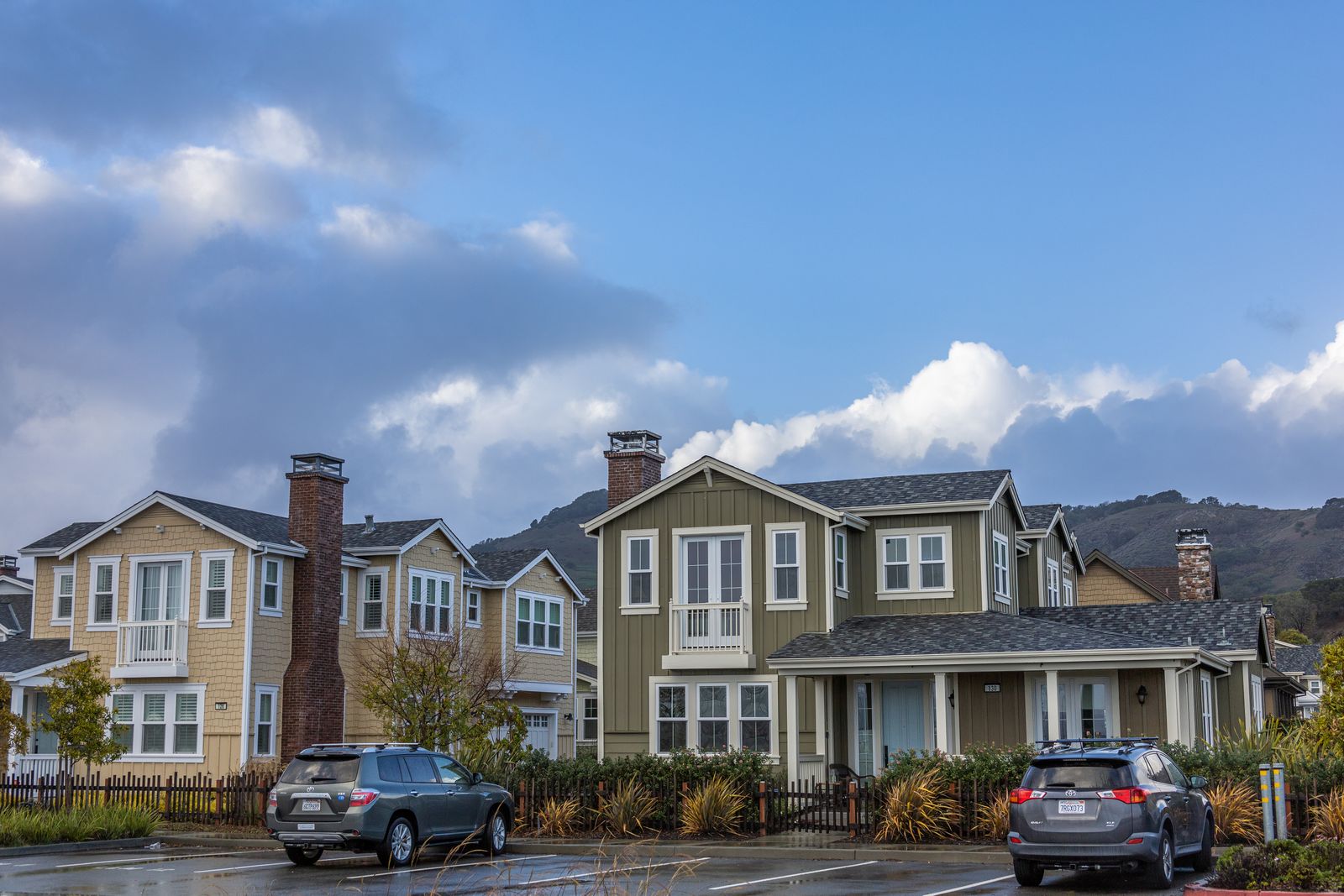
Find your place at #147. Pioneer Park is a sought-after 55+ community where quiet living meets connection. This well-appointed 2-bedroom, 1-bathroom home offers 1,135 sq ft of comfortable living space in a premium location. With no neighbours behind and backing directly onto one of the parks expansive green spaces, you'll enjoy exceptional privacy and views from your kitchen. Step outside to enjoy your morning coffee in the south facing yard and take advantage of the outdoor space perfect for gardening. Rare parking for 4 vehicles adds incredible convenience, along with a detached workshop ideal for hobbies or storage. A heat pump provides efficient year-round comfort with both heating and A/C. Pet-friendly with allowance for 2 pets and no size restrictions. Call today to view!

Read

How Much Space Do You Really Need for Family Who Visits?

Less than you think. That is the true answer to how much space you really need for family who visits, and I know it is not the answer most women want to hear. So many of the Langley homes I walk through with clients have two or three bedrooms kept ready for people who sleep in them a handful of nights a year. The love behind those rooms is real. The math behind them usually is not.

Here is the math in plain terms. Every extra bedroom is space you heat, clean, insure, and pay taxes on for twelve months, in exchange for a visit or two. Meanwhile the parts of the home you use every single day, the kitchen, the main bedroom, the place you actually sit, get whatever budget and energy is left over. That trade might still be worth it to you, and that is allowed, but it should be a choice you make with open eyes instead of a habit nobody ever questioned. When women tell me their house feels wrong but they cannot give up the guest rooms, we are usually not talking about square footage anymore. We are talking about what the rooms stand for.

And I want to be gentle with that, because those rooms stand for something tender. They say the kids still have a place here. They say Christmas still happens at my table. For a lot of women, the empty nest changes what home feels like, and keeping the bedrooms untouched can feel like keeping the door open. There is nothing silly about that feeling. But a home is not a museum of who used to live there. It is meant to serve the person who lives there now.

So what does a smarter setup look like? In practice, one good flexible room beats three dedicated ones. A den with a wall bed or a quality sofa bed hosts your daughter beautifully for a week and works as your office, gym, or reading room the other fifty-one. A slightly larger dining area serves the big family dinner better than an extra bedroom ever did. And for the once-a-year full-house gathering, a nearby hotel room for part of the crowd costs far less than a year of empty bedrooms, and everyone tends to sleep better anyway. If the visitors come with little ones, an air mattress in the den turns one flexible room into two nights of happy chaos, and the grandkids will never once ask about the thread count.

One of my Langley clients worried for months about where her son's family would stay if she moved to a smaller home. When we finally asked them, her son laughed and said they had been quietly booking a hotel for years because the grandkids slept better there. She had been carrying an entire floor of her house for a worry nobody else had. I see some version of this all the time, and it is worth one direct conversation before you let it decide your housing.

This is the heart of what right-sizing actually means. It is not about shrinking your life or pushing family away. It is about matching your home to the life you actually live, while keeping a warm, workable plan for the days that are different. The women I know who made this shift did not lose their family gatherings... they hosted them with more energy, in homes that were not wearing them out the other fifty weeks of the year.

Langley happens to be a wonderful place to get this right. The townhome and rancher stock here includes layouts with exactly that one smart flex room, and right-sizing in Langley comes with more options at more price points than most people expect. I'm Bettina Reid, and at Balance Real Estate Group I have helped many women design this next chapter without giving up a single tradition that mattered to them.

If you are holding onto rooms for people who visit, try one question: does this home fit my Tuesday? Not my Christmas, my Tuesday. If the answer is no, the Balance Method is a kind place to start thinking about what could fit instead. Your family will still come. Love has never once been measured in spare bedrooms.

Read

Why Sleep Might Be the Real Reason Your Home Isn’t Working

If you are waking at 3 a.m. hot, wired, and quietly resenting your own bedroom, sleep might be the real reason your home isn't working. It is rarely the kitchen or the paint colour that makes a house feel wrong first. For many women in their 40s and 50s, the home stops working at night long before it stops working during the day.

I have sat at a lot of Cloverdale kitchen tables over nearly 20 years, and I have learned to ask about sleep early in the conversation. Perimenopause changes how women rest. Night sweats arrive without warning. The mind races at 2 a.m. over things that would never bother you at 2 p.m. You wake with the first light because the blinds never really did their job. When sleep breaks down, everything else in the home feels heavier. The stairs feel steeper, the noise feels louder, and the list of little repairs feels endless. A tired brain reads all of that as proof that the whole house is the problem.

One Cloverdale client told me she had quietly moved into the guest room downstairs, not because anything was wrong in her marriage, but because it was the only cool, dark, quiet room in the house. She felt guilty about it until we talked it through. Her body was telling her what the upstairs could not give her anymore. Once she stopped blaming herself and started looking at the house with fresh eyes, the decision in front of her became much easier to see.

Sometimes the house really is part of the problem. Think about where your bedroom sits. A primary bedroom over the garage or facing west into the afternoon sun holds heat at exactly the hour your body is trying to cool down. A room on the street side hears every early morning truck. A bedroom that shares a wall with the living room means you feel the television every time you try to go to bed early. None of this shows up on a listing sheet, but it shapes every single night you spend in the home.

There is also a question many couples avoid saying out loud: what happens when you and your partner stop sleeping well in the same room? This is far more common in midlife than most people admit, and it is not a marriage problem. It is a temperature problem, a snoring problem, or a different-schedules problem. A home with a second comfortable bedroom or a den that can flex gives both people their rest back, and often their patience too. If your current home cannot offer that, you may be looking at a layout problem rather than a life problem.

So how do you decide whether to fix the sleep or rethink the house? Start with what you can change where you are. Try blackout blinds, a cooler mattress, a quiet fan, and an earlier wind-down. If those changes bring your nights back, wonderful, and you have lost nothing by trying. But if the bones of the home are working against you, the bedroom placement, the street noise, the heat that will not leave, then no amount of new bedding will fix it. That is the point where it helps to know how to tell if it's time to start thinking about moving.

I also want to name something tender here. Making big decisions while exhausted is hard, and making housing decisions during perimenopause carries its own weight. This is exactly why I never rush a tired woman toward a fast answer. I'm Bettina Reid, and at Balance Real Estate Group we start with information rather than pressure. It costs nothing to ask what a home that protects your sleep would look like for you. It might be a main-floor bedroom on the quiet side of the house. It might be a newer Cloverdale home with better insulation and a cooler upstairs. You are allowed to want that.

Sleep is not a luxury in this season of life. It is the foundation that your energy, your mood, and your decisions rest on. If your home keeps taking sleep from you, that is worth paying attention to, because your home isn't working if you are not resting in it. The Balance Method is a calm place to start sorting out whether better nights call for new habits or a new address, and there is no deadline attached to reading it.

Read

What to Fix Before You Sell and What to Leave Alone

One of the most consistent things I see when preparing a home to sell is money being spent in the wrong direction. A seller puts $40,000 into a kitchen renovation because she assumes it'll come back in the sale price, and the return doesn't justify it. Or she spends nothing because she's convinced the house needs too much to bother, and it sits on the market longer than it should because the first impression wasn't right. The gap between what to fix and what to leave alone is where a lot of pre-sale budget either works or gets wasted.

After nearly 20 years working with sellers across Cloverdale, Langley and South Surrey, here's what I've found actually moves the needle. Paint is the most reliable return on dollar spent, specifically neutral paint in rooms that currently have bold or dated colours. Buyers can't see past it, and fresh paint signals maintenance and care in a way that registers before they even know why. Cleaning, including windows, grout, carpets, and the oven, costs relatively little and has an outsized effect on how a home photographs and feels on a walkthrough.

Small repairs that buyers will notice on an inspection, running toilets, dripping faucets, sticking doors, broken light switches, are worth addressing. These are not expensive fixes individually, but they add up to a pattern in a buyer's mind. When a home has several of these, buyers start to wonder what else has been deferred, and that's when offers come in lower and conditions pile on.

What I generally advise sellers not to do is major renovation work immediately before listing. A new kitchen rarely returns dollar for dollar. A new bathroom comes close in certain price ranges, but only if the existing one is genuinely distressed. Flooring replacement can be worth it if the current flooring is a significant visual detractor, but buyers often prefer to choose their own finishes, and a renovation credit can achieve the same outcome without the risk of spending on something the buyer would have replaced anyway.

The preparation conversation also involves staging, photography, and timing, all of which affect how quickly a home sells and at what price. What most homeowners regret about waiting is worth reading if you're in the early stages of deciding when to sell, because timing matters as much as preparation in getting the outcome you're after.

If you're thinking about listing in Cloverdale, Langley or the surrounding area and want to understand what preparation actually makes sense for your specific home, the Balance Method Guide is a good place to start. Knowing where you stand before you spend anything on preparation is the first step.

Read

How to Know If a Multigenerational Home Is Actually the Right Fit

The multigenerational home conversation is coming up more than it ever has. Women in their late 40s and 50s are thinking about aging parents at the same time as they're thinking about adult kids who might come back, or young grandchildren they want to be closer to. The idea of a home that holds more than one generation is appealing for a lot of reasons, and it's worth thinking through carefully before it becomes the plan.

There are two very different versions of the multigenerational home decision. One is proactive: you're choosing to build or buy something specifically designed for this, a home with a legal suite or a secondary dwelling, where privacy and autonomy are built into the structure from the beginning. The other is reactive: a parent needs more support, or a kid moves back in, and the home you're already in has to absorb someone it wasn't designed to hold. These two situations feel completely different to live in.

The proactive version, done right, can be one of the most genuinely functional housing arrangements I've seen for women in midlife. A well-designed secondary suite means your parent, or your adult child, has their own door and their own space while you have yours. You get proximity without enmeshment. The arrangement can also offset costs in a meaningful way, whether through a rental suite that generates income while the secondary dwelling is unoccupied, or through shared expenses when someone is living there.

The reactive version is harder. When a home that was designed for two people suddenly has to function for three or four, the friction shows up in the kitchen, in the bathrooms, in the way noise travels through spaces that weren't built with separation in mind. I've worked with women in Cloverdale and Langley who are navigating exactly this and finding that the home they loved is no longer working, not because of the relationship, but because of the square footage and the layout.

If the multigenerational idea is on your mind, the practical questions are worth asking before the emotional ones get all the air. How much separation does this arrangement actually require to work well for everyone involved? Does the home we're considering have that built in, or would it need to be added? And if we're right-sizing at the same time, should we downsize, upsize, or stay put might help you think through what the multigenerational piece adds to that calculation.

This is one of the decisions where having a clear picture of where you stand financially before you start looking at options matters enormously. The Balance Method Guide walks through exactly that kind of grounding conversation, and it's a good place to start before the search begins.

Read

Why Cloverdale Is Still One of the Best-Kept Secrets for Women Right-Sizing in Midlife

Cloverdale doesn't advertise itself the way some markets do. If you've found your way here, it's almost always because someone you trusted said: look at Cloverdale. And then you did, and something clicked.

I've been based in Cloverdale for nearly 20 years. I watched it before it was on anyone's list, and I've watched it since. What I can tell you is that what makes Cloverdale work for women in midlife isn't the same thing that drives other buyers here. It's quieter than that. It's the community infrastructure, the pace, and the housing stock, which has more variety than the area typically gets credit for.

Cloverdale's housing tends to offer the kind of footprint that works well in the second half of life. Detached homes with real yards, but neighbourhoods that are close enough to everything that you're not locked into a car for every errand. Townhome options that are newer and more spacious than what you'll find in a lot of comparable markets. Pockets of the area that feel genuinely walkable, which matters more than people anticipate until they're actually thinking about it.

For women who are right-sizing, not downsizing, not upsizing, but genuinely trying to match a home to a life that has changed, Cloverdale offers something specific. You can find a main-floor primary bedroom without having to go to a condo. You can find a yard that's manageable without being a burden. You can find a neighbourhood that has been around long enough to have real community in it: neighbours who have lived there for years, local businesses with actual history, a density of belonging that newer developments can't yet replicate.

The trade-off, and there is always one, is that you have to know what you're looking for. Cloverdale is not a uniform market. The right street makes a significant difference in what you're getting. That's true of most of the Fraser Valley, but it's especially true here. What should you look for in a home when you're in your 50s can help you get clear on what actually matters to you before you start touring, because having that picture makes Cloverdale a much more navigable search.

If Cloverdale is on your radar, or you've heard it mentioned and aren't sure whether it fits what you're looking for, the Balance Method Guide is a good place to start. It walks you through the questions that help you figure out not just what you want in a home, but what you need from your next neighbourhood.

Read

What Perimenopause Brain Fog Has to Do With Your Next Real Estate Decision

Nobody warns you that you’ll be navigating one of the biggest financial decisions of your life during the same years your brain starts behaving differently. Perimenopause brain fog is real, it’s documented, and it has a specific effect on the kind of thinking that real estate decisions require: holding multiple variables at once, comparing options, tolerating uncertainty, and making a call that you’ll live with for years.

I’ve been working with women in Cloverdale, Langley and across the Fraser Valley for nearly 20 years, and the ones who are navigating this in perimenopause are dealing with something specific. It’s not that they can’t make the decision. It’s that the process of getting there is harder, slower, and more exhausting than they expected. And then they wonder if something is wrong with them.

Nothing is wrong with them. The decision-making difficulty is a symptom, not a character flaw. The cognitive effects of hormonal fluctuation are real enough to have been studied, and they show up most clearly in exactly the kinds of complex, multi-step thinking that a real estate decision demands. Comparing neighbourhoods, weighing financial trade-offs, imagining yourself in a space that doesn’t yet exist in your life, that is hard work even when your brain is operating at full capacity.

What I’ve found works better for women who are in this particular season is to slow the process down to a pace that matches what their brain can actually handle. This is not about waiting until it gets easier, because for many women the cognitive symptoms of perimenopause last longer than they were told they would. It’s about designing the decision-making process so that each step is digestible, so that you’re not being asked to hold everything at once.

That means one conversation at a time. One question to sit with before the next one gets introduced. Space between appointments to let information settle before more gets added. A format that gives you something to come back to instead of requiring you to keep it all in your head.

I wrote about whether perimenopause makes housing decisions harder and the answer, for many women, is yes, but harder doesn’t mean impossible. It means the process needs to be built differently. That’s what the Balance Method Guide is for. It’s designed to slow this down into stages you can actually move through, without the overwhelm of trying to figure everything out in one sitting.

Read

How to Know If You’re Moving Toward Something, or Just Away From What Isn’t Working

There are two kinds of moves. The kind where you know exactly what you're going toward, the neighbourhood, the layout, the season of life you're stepping into. And the kind where you mostly know what you're leaving. Both can lead to good outcomes, but one of them tends to land better than the other.

Moving away from something is a completely valid starting point. The house is too big. The neighbourhood no longer fits. The maintenance is exhausting. Something has stopped working, and your body knows it before your mind can put words to it. That awareness is real information. The problem isn't that you want to leave. It's when leaving becomes the whole plan.

When the move is purely about escape, two things tend to happen. The decision-making gets driven by urgency, because you're trying to get out and so you're less patient with finding what's actually right. And the destination becomes less important than the departure. Women who move this way often find themselves in a new home that's better in the ways the old one was bad... and then discover a new set of things that don't quite fit.

Moving toward something is different. It starts with the same awareness, this isn't working, but takes a step further. It asks: what would actually work? What does my life need from a home right now? What kind of neighbourhood, whether in Cloverdale, Langley or South Surrey, supports the way I want to live? What would walking in and exhaling feel like? How to decide between staying and moving can help you get more specific about what the toward picture actually looks like for you.

Most moves I've been part of over nearly 20 years start as away moves and become toward moves through the process, and that's completely normal. The picture doesn't always come first. Sometimes you need to start moving before you can see what you're moving toward. But it helps to be aware of the difference, and to slow down enough to let the toward picture take shape before you commit to a new address. You're not behind, you're just in a different season is worth reading if you're in the in-between right now.

If you're somewhere in that space, clear on what you're leaving but less clear on where you're going, the Balance Method Guide was built for exactly this kind of moment.

Read

What to Do If You Want to Move But Your Finances Don’t Feel Ready Yet

"I want to move, but I don't think we're financially ready." This is one of the most common things I hear from women across Cloverdale, Langley and South Surrey who are thinking about a midlife move. And what I've found, again and again, is that "not financially ready" usually doesn't mean what people think it means. It often means: I haven't looked at the real numbers yet. And there's a big difference between those two things.

The fear of not being financially ready can be very convincing. It shows up as logic. It sounds responsible. And sometimes it is, because sometimes the numbers genuinely don't work right now and waiting is the right call. But just as often, the numbers are better than people expect, and the fear was standing in for information that nobody had bothered to gather yet.

Here's what changes when you actually look. Your home's current value might surprise you. Equity builds quietly, and a lot of homeowners are sitting on more than they realize. How home equity creates more choice in your next chapter goes into this in a way that might reframe what you think you have to work with. The real cost of staying, including maintenance, the renovation you keep putting off, and what the home is costing you in energy and time every month, might be closer to the cost of moving than you'd expect.

The version of "not ready" that worries me is the one that stretches indefinitely without any actual review of the numbers. When "not yet" becomes a permanent state without a trigger date or a clear threshold, it's worth asking what the hold is really about. The first step isn't selling, it's understanding your position makes the case for why this kind of clarity is worth having long before you're ready to list.

The first stage of the Balance Method, Know Where You Stand, exists precisely for this. Before any listing conversation, before any open houses, before any of it, I sit down with the women I work with and we look at the real picture together: what the home is worth, what moving would actually cost, and what staying is costing right now.

If the finances feel like the thing standing between you and a decision, the Balance Method Guide is a good place to start. It walks you through the questions worth asking before any number gets run.

Read

Why the Neighbours You Have Now Might Be Part of What’s Keeping You Stuck

This one doesn't come up in real estate conversations very often. But it comes up in honest conversations all the time. The reason some women stay in a home that no longer fits them isn't the mortgage, or the timing, or the market in Cloverdale or Langley. It's the neighbour who's become a real friend. The book club three doors down. The woman across the street who you text when something happens. The community you've built over fifteen years that lives in a six-block radius.

That's a real thing to leave, and I want to say that clearly. It's not nothing, and it doesn't belong in the "irrational reasons" column. Your people are one of the most important things your home has given you, and the idea of losing proximity to them is a genuine loss worth sitting with.

But here's what I want to offer alongside that. Community is portable in a way that walls and square footage are not. Not perfectly portable, because there are real friendships built on proximity that change when distance is added, and I won't pretend otherwise. But the women I've worked with who've made the move almost universally say the same thing: they kept the relationships that mattered, they added new ones, and they did it while living in a home that actually fit the life they were living.

The harder version of this is when the neighbourhood itself, not just the neighbours but the whole environment, has stopped fitting. When the area has changed around you, or when what you needed from it at 35 isn't what you need from it at 52. Why so many women feel ready to leave South Surrey but stay anyway touches on this, because sometimes the community piece becomes the story we tell ourselves to stay somewhere that's actually holding us back.

It's worth asking honestly: are you staying for your community, or are you staying because the idea of building a new one feels like too much? Those are different situations. One is a real trade-off worth weighing carefully. The other is fear in a very convincing costume. Why some homeowners feel stuck even when they have options gets into how to tell the difference.

If your neighbours are part of the conversation you're having with yourself about moving, the Balance Method Guide is a good place to bring that into the open. It's built for the human side of this, not just the logistics.

Read

I have sold a property at 5826 246 Street in Langley

I have sold a property at 5826 246 Street in Langley on Jun 10, 2026. See details here

Welcome to this stunning custom rancher in Salmon River with 5 bedrooms, 5 bathrooms, and an 856 sq. ft. legal caregiver suite. Extensively renovated in 2009. this home sits on a beautifully landscaped ¾-acre lot featuring a gorgeous 20’ x 40’ in-ground pool, fully fenced with a locked gate and surrounded by mature 12’ cedar hedging for exceptional privacy. Enjoy the huge patio (w/ natural gas hookup), cherry hardwood floors, gourmet kitchen with oversized breakfast bar, double sided fireplace, high-efficiency furnace, heat pump, and in-ground sprinklers. The impressive 1,560 sq. ft. shop includes a hoist, industrial air compressor, EV charging port, and abundant storage. A rare opportunity with city water, a LEGAL caregiver suite, incredible outdoor living, and an amazing shop. Must see!

Read

When Menopause and the Empty Nest Hit at the Same Time

Nobody tells you that these two things often land at the same time. You spend years raising kids and managing a household and navigating the noise of a full life. And then, sometimes in the same year or the same season, the kids leave and perimenopause starts making itself known. And you're standing in a home that was built for a life that no longer quite exists, in a body that's asking different things of you than it used to.

It's a lot. I know because I've lived a version of it. The empty nest hit me with a silence I wasn't ready for. The house that felt like the centre of everything suddenly had too many rooms I wasn't using and not enough of the space I actually needed. Menopause has its own relationship with home, with temperature and noise and light and the way a space either supports your nervous system or adds to its load.

For the women I work with at Balance Real Estate Group who are living this dual transition in Cloverdale and across the Fraser Valley, the home question usually surfaces one of two ways. Either the house feels too big, too many reminders of who used to be there, too much to maintain for fewer people. Or it feels wrong in a different way, not built for this body, this season, this version of you that needs different things from her environment than she did at 38.

If any of this is resonating, why the empty nest hits differently than you expected puts words to the version of grief that doesn't always get named. And is it harder to make housing decisions during perimenopause goes into what's actually happening during this stage. It might help you feel less like you're overreacting and more like you're dealing with something real.

This is not the time to push through. This is one of the most important seasons to look honestly at where you're living and whether it's still working. Your home should be giving you something back right now: rest, ease, calm, somewhere that feels like sanctuary rather than something else to manage.

The Balance Method Guide was built with this season in mind. It's not about rushing toward anything. It's about having a clear picture of where you stand so the decision, whenever you're ready to make it, comes from solid ground.

Read
Categories:   Abbotsford East, Abbotsford Real Estate | Abbotsford West, Abbotsford Real Estate | Aberdeen, Abbotsford Real Estate | Adult children moving home | Albion, Maple Ridge Real Estate | Aldergrove Langley, Langley Real Estate | Annieville, N. Delta Real Estate | Balance Method | Balance Real Estate Group | Bear Creek Green Timbers, Surrey Real Estate | Bolivar Heights, North Surrey Real Estate | Brain Fog | Brentwood Park, Burnaby North Real Estate | Brookswood Langley, Langley Real Estate | Burke Mountain, Coquitlam Real Estate | Central Abbotsford, Abbotsford Real Estate | Chilliwack Downtown, Chilliwack Real Estate | Chilliwack W Young-Well, Chilliwack Real Estate | Clayton, Cloverdale Real Estate | Cloverdale BC, Cloverdale Real Estate | Cloverdale BC, Surrey Real Estate | Cloverdale Real Estate | Cloverdale, Surrey Real Estate | Coquitlam West, Coquitlam Real Estate | Cottonwood MR, Maple Ridge Real Estate | Crescent Bch Ocean Pk., South Surrey White Rock Real Estate | Decision Clarity | Downtown VW, Vancouver West Real Estate | Eagle Ridge CQ, Coquitlam Real Estate | East Central, Maple Ridge Real Estate | East Newton, Surrey Real Estate | Emotional Load | Emotional Transitions | Empty Nest | Fleetwood Tynehead, Surrey Real Estate | Fort Langley, Langley Real Estate | Garrison Crossing, Sardis Real Estate | GlenBrooke North, New Westminster Real Estate | Grandview Surrey, South Surrey White Rock Real Estate | Greendale, Sardis Real Estate | Growing Families | Guildford, North Surrey Real Estate | Hatzic, Mission Real Estate | Hawthorne, Ladner Real Estate | Hemlock, Mission Real Estate | Home Buying Advice | Home Buying Women 50s | Home Equity Real Estate | Home Planning | Home Preparation | Home Pricing | Home Selling Advice | home selling process | Home Selling Strategy | Housing Decisions Women | King George Corridor, South Surrey White Rock Real Estate | Langley City, Langley Real Estate | Langley Real Estate | Life Transitions | Mary Hill, Port Coquitlam Real Estate | Menopause + Home | midlife home buying | Midlife home decisions | Midlife housing decisions | midlife moves | Midlife Real Estate | Mission BC, Mission Real Estate | Morgan Creek, South Surrey White Rock Real Estate | Moving descisions couples | Multigenerational Homes Langley | Multigenerational Living | Murrayville, Langley Real Estate | Neighbourhood fit midlife | Nordel, N. Delta Real Estate | North Coquitlam, Coquitlam Real Estate | North Meadows PI, Pitt Meadows Real Estate | Otter District, Langley Real Estate | Pebble Hill, Tsawwassen Real Estate | Perimenopause | Perimenopause Housing Decisions | Planning a Move | Poplar, Abbotsford Real Estate | Port Moody Centre, Port Moody Real Estate | Pre-Sale Home Prep South Surrey | Promontory, Sardis Real Estate | Quay, New Westminster Real Estate | Queen Mary Park Surrey, Surrey Real Estate | Queensbury, North Vancouver Real Estate | Real Estate Cloverdale | Real Estate Langley | Renfrew VE, Vancouver East Real Estate | Right-Sizing | Right-Sizing Cloverdale | Right-Sizing Langley | Salmon River, Langley Real Estate | Sardis South, Sardis Real Estate | Sardis West Vedder Rd, Sardis Real Estate | Seller Tips | Selling a Home Cloverdale | Selling a home Langley | Selling Your Home | South Surrey Real Estate | South Surrey White Rock | South Surrey White Rock Real Estate | Southwest Maple Ridge, Maple Ridge Real Estate | Space Decisions | Steveston South, Richmond Real Estate | Sullivan Heights, Burnaby North Real Estate | Sullivan Station, Surrey Real Estate | Sunnyside Park Surrey, South Surrey White Rock Real Estate | Sunshine Hills Woods, N. Delta Real Estate | The Crest, Burnaby East Real Estate | Upper Eagle Ridge, Coquitlam Real Estate | Vedder Crossing, Sardis Real Estate | Walnut Grove, Langley Real Estate | West Newton, Surrey Real Estate | Whalley, North Surrey Real Estate | White Rock homes | White Rock Real Estate | White Rock, South Surrey White Rock Real Estate | Willoughby Heights, Langley Real Estate | Women 40s & 50s | Women 50s | Women and housing | Women in Midlife
Reciprocity Logo The data relating to real estate on this website comes in part from the MLS® Reciprocity program of either the Greater Vancouver REALTORS® (GVR), the Fraser Valley Real Estate Board (FVREB) or the Chilliwack and District Real Estate Board (CADREB). Real estate listings held by participating real estate firms are marked with the MLS® logo and detailed information about the listing includes the name of the listing agent. This representation is based in whole or part on data generated by either the GVR, the FVREB or the CADREB which assumes no responsibility for its accuracy. The materials contained on this page may not be reproduced without the express written consent of either the GVR, the FVREB or the CADREB.